Roofing Safety: Essential Gear and Best Practices
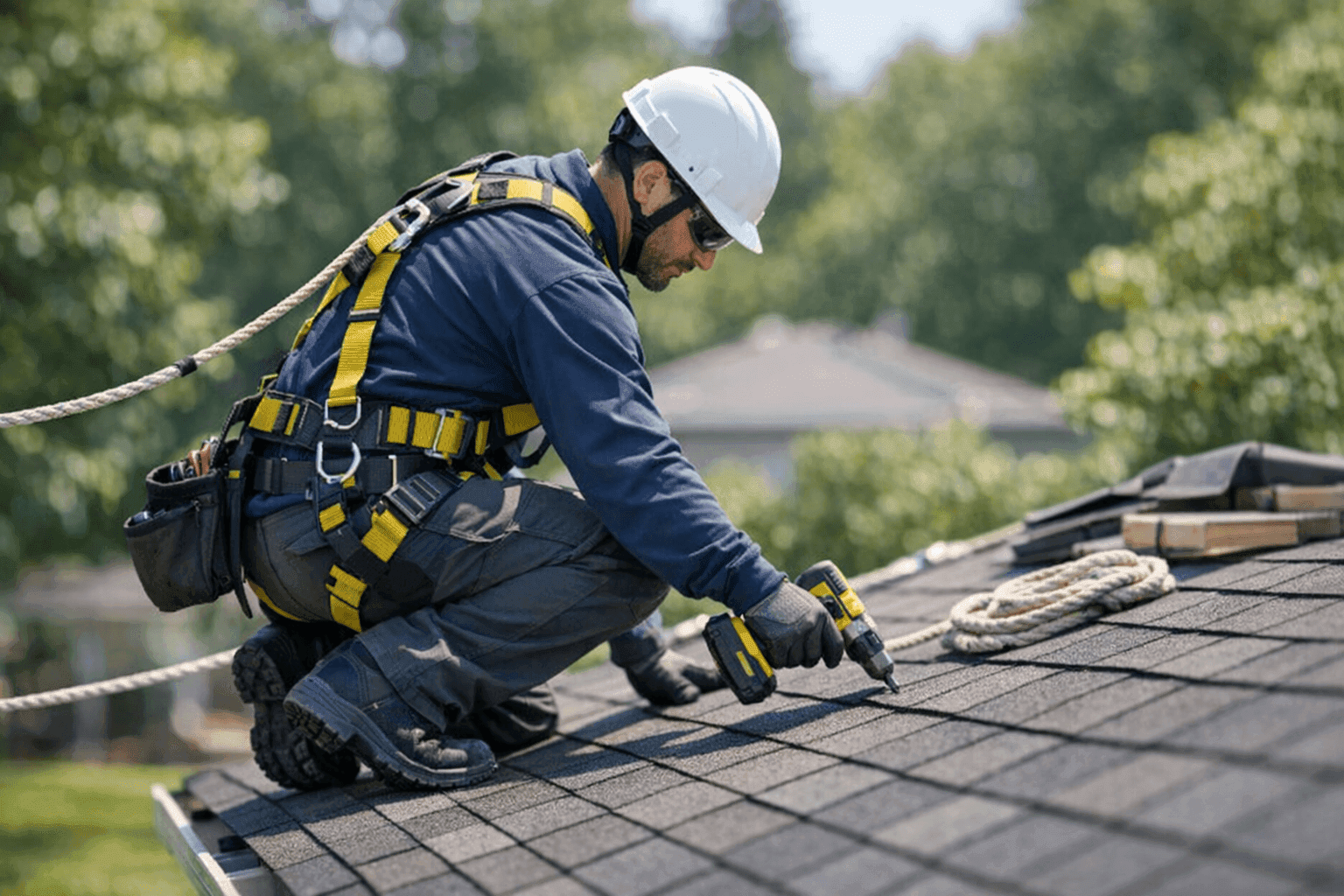
Roofs are unforgiving places. One wrong step can turn a quick repair into a trip to the ER. If you’ve ever looked up at your shingles and wondered, “How hard could it be?”—you’re not alone. But behind every safe roofing project are strict safety rules, protective gear, and the unwavering respect the pros have for gravity.
At Shindo Trust Roofing, safety isn’t just a checklist—it’s the backbone of every job, from shingle roofing to emergency repairs. Here’s how we keep crews, customers, and properties safe, and what you should know before you ever climb a ladder.
Essential Safety Gear: Your Shield Against Risk 🦺
Personal protective equipment (PPE) is to roofing what a seatbelt is to driving: non-negotiable. OSHA (Occupational Safety and Health Administration) sets the gold standard for PPE requirements, and we follow them to the letter.
The essentials include:
- Full-body harnesses: These are your lifeline. Worn snug and attached to secure anchor points, harnesses absorb the shock if you slip.
- Hard hats/helmets: Falling debris, accidental bumps, even low-hanging branches—helmets prevent head injuries.
- Non-slip footwear: Roofers wear boots or shoes with sturdy soles, designed to grip shingles, tiles, or metal even when slick.
- Gloves: Thick, cut-resistant gloves protect hands from sharp flashing, nails, and rough surfaces.
- Safety glasses: Eyes need shielding from dust, splinters, and flying debris during demolition or repairs.
- High-visibility vests: Especially on commercial sites, being seen means staying safe.
Wearing proper gear isn’t just about rules—it’s about going home in one piece.
Quick Safety Checklist Before You Step on the Roof
Before anyone sets foot on your roof, a pre-job safety checklist is crucial. Think of it as your flight pre-check.
- Inspect all PPE for wear or tear.
- Confirm harnesses fit and secure snugly.
- Check all ladders for stability, locks, and slip-resistant feet.
- Scan for power lines, tree limbs, and fragile spots.
- Secure tools—never leave them loose where they can fall.
Skipping even one of these steps is like driving with your eyes closed.
Ladder Safety: One Rung at a Time
Most roofing accidents start on the ground. Ladders, if misused, are unforgiving.
Follow these ladder safety rules every time:
- Select a ladder that extends 3 feet above the roof edge.
- Place it on level, dry ground—never on soft grass or loose gravel.
- Always maintain three points of contact: two hands and one foot, or two feet and one hand.
- Never lean out to the side. Climb down and reposition instead.
- Watch out for overhead wires, especially with metal ladders.
Professional roofers are trained on ladder safety and follow ANSI (American National Standards Institute) guidelines on every job.
Working Safely on Roofs: The Golden Rules
Roofing is not a place for shortcuts. Every pro knows the basics, but it’s the discipline that counts.
- Never work alone. Someone should always be ready to call for help.
- Keep your work area clean. Tripping hazards—like loose shingles or scattered tools—can be deadly.
- Use proper fall arrest systems: harness, lanyard, and anchor.
- Avoid working in wet, icy, or windy conditions. A dry, clear day is safest.
- Plan your movements. Walking backward or stepping over unseen gaps leads to slips.
Every move is deliberate. Every step is earned.
Fall Prevention Protocols: Staying Grounded
Falls are the number one roofing hazard. According to OSHA, they account for most serious injuries and deaths in construction. That’s why professional crews use a “belt and suspenders” approach:
- Guardrails on low-slope roofs.
- Warning lines to mark off hazardous zones.
- Personal fall arrest systems for steep slopes or high structures.
- Anchorage points fastened to solid framing, not just flashing or sheathing.
Even the best PPE is only as good as the training behind it. At Shindo Trust Roofing, every crew member undergoes regular safety training, updates on OSHA standards, and hands-on drills.
Common Mistakes Homeowners Make
DIY roofing looks easy on YouTube, but in real life, it’s a game of inches—and every mistake counts.
Frequent slip-ups include:
- Wearing sneakers or sandals, not roofing boots.
- Using wobbly ladders or setting them on soft ground.
- Skipping harnesses “just for a quick fix.”
- Overreaching to avoid climbing down and moving the ladder.
- Ignoring weather forecasts and working on wet or windy days.
These errors may seem small. But all it takes is one to turn a project into a serious emergency.
Why Professional Standards Matter
Certified roofing crews don’t just bring tools—they bring discipline. Shindo Trust Roofing adheres to OSHA, NRCA (National Roofing Contractors Association), and manufacturer safety specs on every job. Our teams complete ongoing safety seminars, know local building codes, and arrive equipped for whatever your property demands.
Homeowners and business owners benefit from this in two big ways:
- Fewer accidents means fewer delays, injuries, or lawsuits.
- Quality work holds up—because safe, methodical repairs last.
The Risks of DIY Roofing: More Than Just a Bruise
Trying to tackle a leaky shingle or flashing repair without training is like climbing a mountain blindfolded. The most common injuries? Broken bones, sprains, concussions, and even life-threatening falls.
DIY also risks:
- Voiding manufacturer warranties.
- Hidden structural damage overlooked.
- More expensive repairs later if the job isn’t done right.
A certified crew brings not just safety, but peace of mind.
Professional Standards: Training Makes the Difference 🛡️
What sets professional crews apart? It’s not just experience—it’s rigorous training. OSHA’s 29 CFR 1926 guidelines dictate fall protection, PPE, and rescue procedures. At Shindo Trust Roofing, every team member completes site-specific safety training before stepping onto your property.
We use checklists, daily briefings, and always assign a spotter or safety lead. No one works alone, and nothing is left to chance.
Prevention & Maintenance: Safety Starts Before the Ladder
An ounce of prevention is worth a pound of patching. Regular maintenance—like keeping gutters clear, inspecting flashing, and checking for leaks—reduces the need for risky emergency repairs.
That’s why scheduling professional roof inspections twice a year can catch small problems before they become major hazards. Inspectors spot loose shingles, weak decking, and signs of water intrusion—without ever risking your own safety.
Emergency Situations: When Time Is Critical
Storms, falling branches, sudden leaks—some roofing issues just can’t wait. But emergencies are when safety corners are most often cut. Never climb onto your roof during a storm, at night, or when the structure is compromised.
Local crews, like ours, are trained to handle urgent repairs safely, even in high-pressure situations. If you need fast help in the area, our team in Kissimmee is fully equipped and ready for safe response.
When to Hire a Pro: The Safe Choice
If you’re unsure about climbing up—even for a quick patch—step back. Some jobs, like skylight repair or storm damage, are best left to certified crews. If you need help with ongoing leaks, missing shingles, or structural issues, it’s safer (and smarter) to let a pro handle it.
You can always reach out for roof-repair services when the job is bigger than a minor fix. The right crew brings not just know-how, but the full toolkit and fall protection needed for every scenario.
Seasonal Considerations: Weather and Roof Safety 🍂
Different seasons bring different hazards. Summer heat softens shingles and makes metal roofs slippery with sweat. Fall leaves can hide hazards and block gutters. Winter ice, even in milder regions, turns walkable slopes into skating rinks. Before starting any project, check the forecast and adjust your timing.
How Pros Minimize Disruption
You don’t want your property turned upside down. Certified roofing crews work fast but methodically. They set up safety barriers, keep debris contained, and clean up as they go. You’ll know when work starts, when it ends, and what to expect—no surprises.
Signs of Trouble: Know When to Step Back
If you notice sagging, dark stains, piles of granules in your gutters, or visible leaks, don’t risk a climb. These are warning signs that the structure may not be safe. Professionals start with a ground-level assessment, then use safety gear for a closer look.
Timeline & Costs: Factoring in Safety
Roofing safely takes time. Rushing leads to accidents. The right crew will explain timelines, outline any disruptions, and keep you in the loop from start to finish. Investing in certified labor is always less expensive than a hospital bill.
FAQ: Roofing Safety for Homeowners & Businesses
Q: Can I just patch a small leak myself?
A: Even “minor” repairs can be dangerous. Always use PPE and proper ladders—or call a pro.
Q: What makes professional roofers safer?
A: Training, gear, and experience. Pros follow OSHA and manufacturer guidelines, so work is done right and safely.
Q: How often should roofs be inspected?
A: Twice a year is recommended—spring and fall. After major storms too.
Q: What if I need urgent help?
A: Call for emergency services right away. Don’t risk injury by rushing onto the roof.
Final Thoughts: Safety Isn’t Optional
Whether you’re patching a shingle, cleaning gutters, or planning a full replacement, safety is the cornerstone of every good roofing job. The right gear, smart habits, and knowing when to call a pro—all make the difference between a job well done and one you’d rather forget.
Call Shindo Trust Roofing now — or reach us anytime at 888-698-1884 .