Structural Roof Repair: What’s Involved and Why It’s Critical
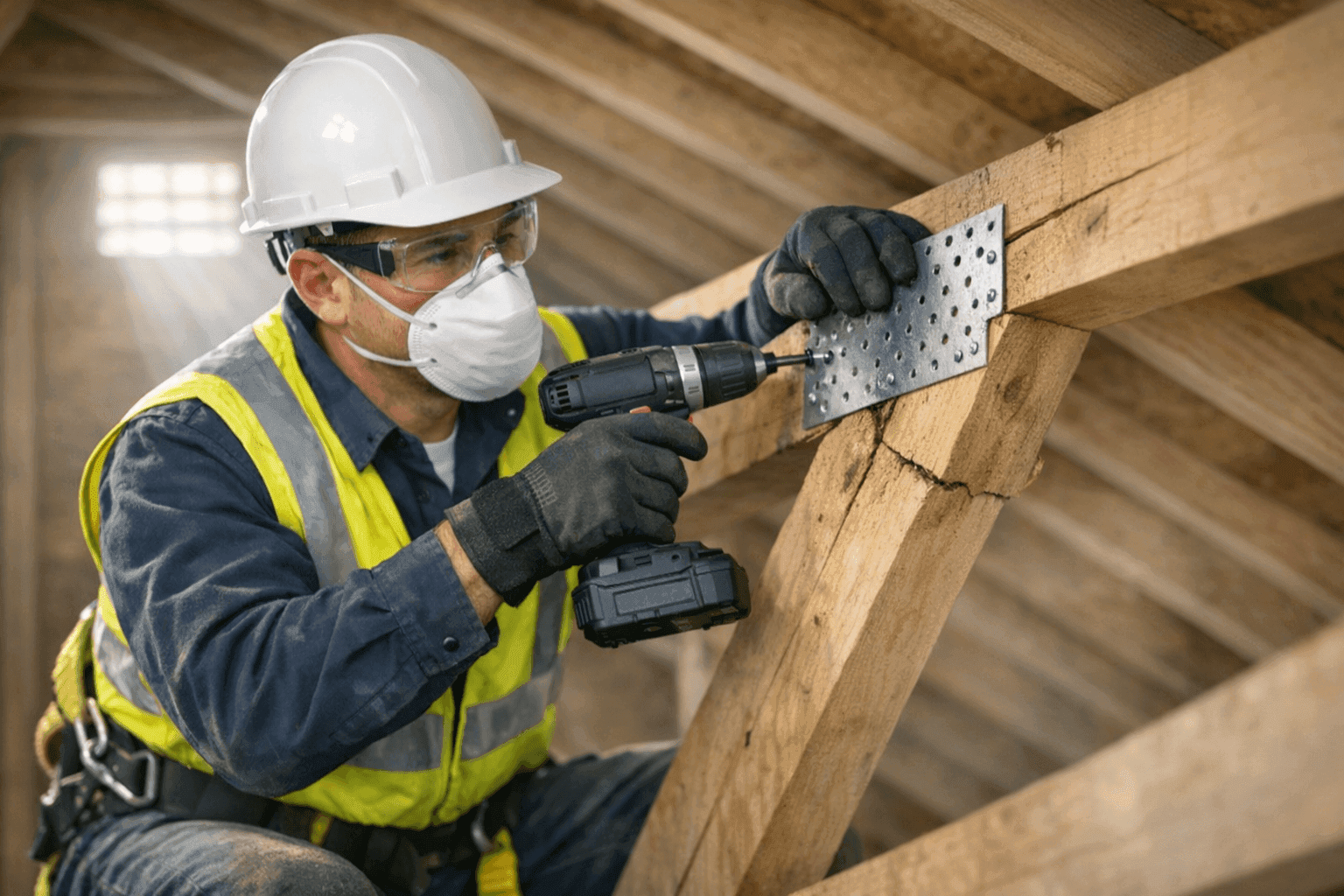
When your roof feels less like a shield and more like a sieve, it’s a sign something deeper might be wrong. Sometimes, the problem isn’t just shingles or flashing—it’s what’s underneath. At Shindo Trust Roofing, we’ve seen how small warning signs can lead to bigger, costlier fixes if ignored.
Structural roof repair isn’t just about patching up holes. It’s about restoring the bones of your home or business so your roof stands strong for years to come. Here’s what’s involved, why it matters, and how to know when to act.
Signs of Structural Roof Issues 🏚️
Some roof problems shout. Others whisper. Either way, your roof is always talking if you know what to listen for:
- Sagging or uneven rooflines: Like a sinking bridge, drooping spots signal trouble beneath the surface.
- Cracked or bowed ceilings: Indoors, stress on rafters or trusses can cause your ceiling to buckle or even split.
- Sticking windows or doors: Your roof’s weight can warp walls, making doors and windows tough to open.
- Visible gaps or daylight in the attic: If sunlight sneaks in where it shouldn’t, water and pests will too.
- Persistent leaks after every rain: If you’ve fixed shingles but water still finds a way in, look deeper.
Spotting these early can mean the difference between a quick fix and a full-blown overhaul.
The Critical Role of Decking and Supports
Think of your roof deck like the floorboards of a bridge. When planks rot, sag, or break, the whole structure is at risk. Decking holds up everything else—shingles, tiles, insulation, and even the snow in winter. If supports like trusses or rafters are damaged by moisture or pests, the entire roof can shift or collapse.
Regular checks of your decking are essential, especially after storms or if the roof is older.
The Inspection Process: What Pros Look For
A thorough inspection is part detective work, part science. Here’s what the process looks like:
- Visual check from the ground: Looking for dips, bowing, or missing materials.
- Attic assessment: Inspecting rafters, trusses, and decking for rot, cracks, or mold.
- Moisture scanning: Using meters to detect hidden leaks or trapped water.
- Structural movement: Checking for shifted beams, loose connectors, or rusted fasteners.
- Code compliance: Ensuring repairs or existing structures meet the requirements of the International Residential Code (IRC) and local building standards.
This isn’t guesswork. Every step is guided by engineering principles and safety codes.
Common Causes of Structural Damage
Structural roof issues don’t happen overnight. Here’s what wears down your roof’s bones:
- Water intrusion: Persistent leaks can rot wood and corrode metal supports.
- Termite or pest activity: Silent destroyers that chew through beams.
- Storm impacts: High winds, fallen branches, or hail shatter the roof’s integrity.
- Improper installation: If the original roof wasn’t built right, problems compound over time.
- Deferred maintenance: Ignoring small repairs leads to bigger failures.
Repair Methods: Rebuilding Strength
Structural repairs are about more than just replacing what’s broken. Here’s how professionals restore safety:
- Sistering rafters or trusses: Adding new lumber alongside damaged beams for support.
- Replacing rotten decking: Swapping out compromised panels and anchoring new boards according to code.
- Metal plate or bracket reinforcement: Strengthening connections at joints and stress points.
- Sealant and coating application: Protecting new wood or metal from moisture.
- Load redistribution: Adjusting supports so the roof’s weight is balanced again.
All repairs use code-approved materials. Fasteners, connectors, and lumber are selected for compatibility and strength.
When Full Roof Replacement Is Needed
Sometimes, it’s not enough to patch or prop up. If more than a quarter of your roof’s support structure is damaged, or if repairs would cost nearly as much as a new roof, replacement is the safer and smarter choice. Major fire, widespread rot, or severe storm damage can also tip the balance.
Choosing roof replacement isn’t just about cost—it’s about safety for everyone under that roof.
Risks of Delaying Structural Repairs ⏳
Ignoring a structural issue is like taping over a cracked foundation. The risks grow with time:
- Increased repair costs: What starts as a small fix escalates as damage spreads.
- Collapse hazards: Severe structural weakness can lead to partial or total roof failure.
- Insurance complications: Many policies require timely repairs to remain valid.
- Code violations: Unaddressed structural problems can lead to failed inspections or even fines.
Swift action keeps your building—and everyone inside—safer.
Emergency Situations: When to Act Fast
Some roof problems can’t wait. Signs that call for immediate action:
- Sudden sagging after a storm
- Large sections of roof pulling away from walls
- Water pouring in, not just dripping
- Cracks you can see daylight through
If you’re ever unsure, contacting a pro right away is the safest bet. Local help is available, and if you’re near Wilmington, service is available in your area for urgent needs.
DIY vs. Professional Repairs
While a handy homeowner can handle minor fixes, structural repairs are a different animal. Working with trusses, rafters, and major supports often involves heavy loads and complex calculations. Mistakes can put your whole building at risk.
For anything beyond cosmetic fixes, it’s best to call professionals trained in structural roof repair. They’ll have the equipment, materials, and know-how to do the job right—and up to code.
Timeline and What to Expect
How long does structural roof repair take? It depends on the extent of damage and weather conditions. Minor repairs may be finished in a day or two. Major rebuilds or replacements can take a week or more, especially if custom materials are needed.
You may need to move furniture or cover valuables in the attic. Expect some noise and disruption, but your contractor should communicate clearly about the schedule.
Seasonal Considerations
Stormy seasons, heavy snow, and spring thaws are prime times for roof problems to appear—or get worse. Schedule inspections in spring and fall to catch issues early. After severe weather, a quick check can save thousands in future repairs.
Code Compliance and Engineering Standards
Every reputable roofer works to recognized codes—like the International Residential Code (IRC) for homes and International Building Code (IBC) for commercial structures. Repairs must use rated lumber, corrosion-resistant fasteners, and approved connectors. This isn’t just about passing inspection. It’s about ensuring the roof stands up to wind, snow, and everyday use.
Preventative Maintenance Tips
An ounce of prevention beats a pound of repairs. Here’s what you can do:
- Clear gutters and downspouts to prevent water backups.
- Check your attic for moisture or mold.
- Watch for sagging, especially after heavy storms.
- Schedule a professional inspection every year, especially if your roof is over 15 years old.
Structural Repairs for Commercial vs. Residential Roofs
Commercial and residential roofs have unique needs. Flat roofs on businesses may require different materials and reinforcement strategies than pitched residential roofs with trusses. Both, however, rely on sound structure beneath the surface.
Frequently Asked Questions
Q: Can I wait until spring to fix a sagging roof?
A: Waiting increases risk. If you notice sagging, act quickly—especially in wet or snowy weather.
Q: Do I need to leave my home during repairs?
A: Usually, no. For major work, your contractor will advise if it’s safer to relocate temporarily.
Q: Will insurance cover structural repairs?
A: Coverage depends on your policy and the cause of damage. Notify your insurer as soon as you spot a problem.
Final Thoughts: Your Roof’s Backbone Matters
Structural roof repair is about more than looks. It’s about safeguarding the core of your property, whether it’s your family home or business. If you see, hear, or sense something’s wrong, don’t wait.
Call Shindo Trust Roofing now — or reach us anytime at 888-698-1884 .