The True Cost of a New Roof: What to Expect
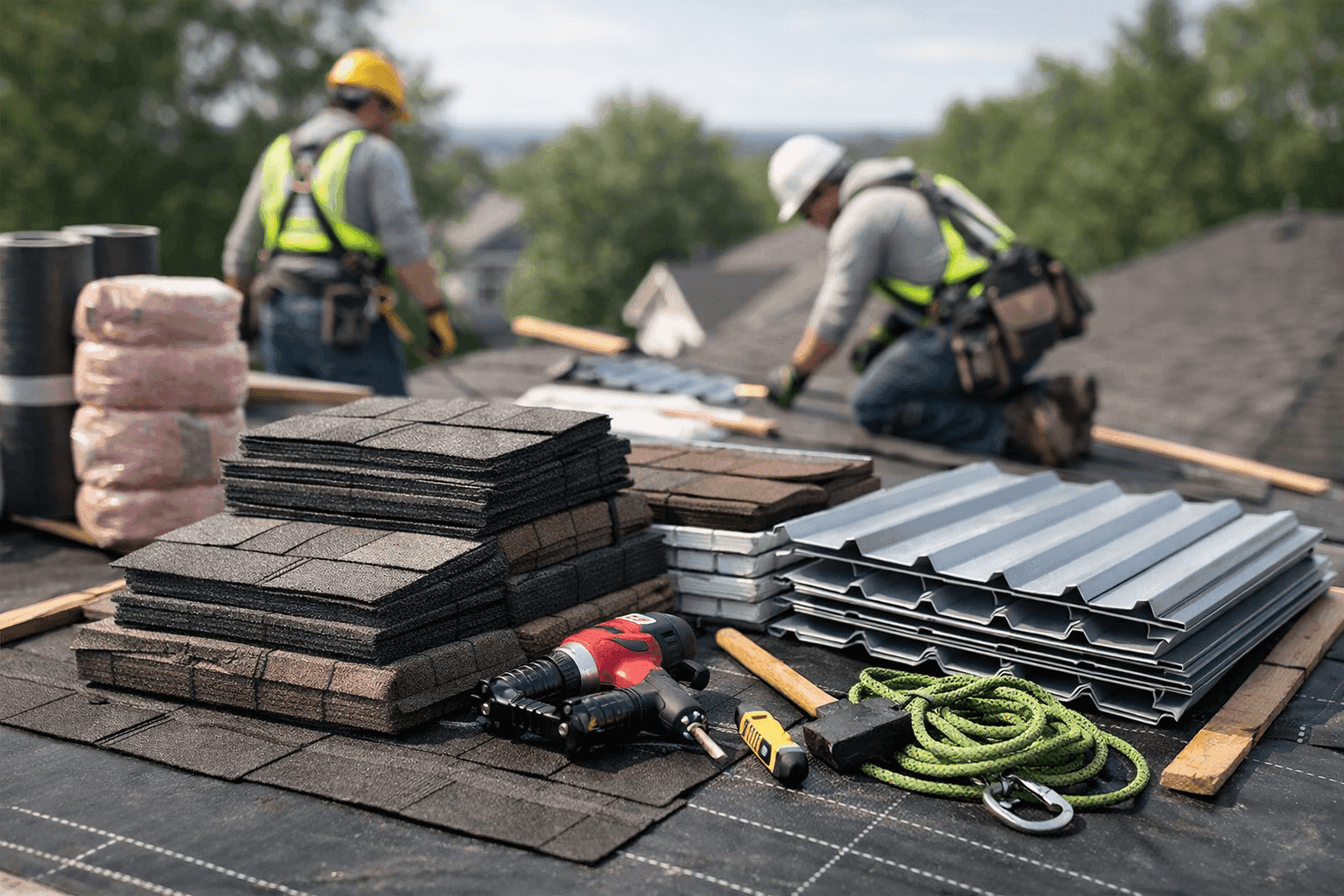
Replacing a roof is a big decision. It’s not just a patch job or a weekend project. It’s a major upgrade for your home or business, and the price tag can feel overwhelming if you’re not prepared.
At Shindo Trust Roofing, we believe in laying it all out—no smoke and mirrors. Whether you’re facing storm damage, leaks, or just an aging roof, understanding the true cost helps you plan with confidence.
The Main Cost Variables: What Drives Your Roofing Price?
Every roof tells a different story. Some are simple, like a flat cap on a ranch house. Others twist and turn, with peaks, valleys, and dormers. The cost of your new roof depends on three main characters: materials, size, and slope. 🏠
- Materials: Shingle, tile, metal, or flat roofing each brings a different price and lifespan. Asphalt shingles are the most common and budget-friendly, but metal and tile offer longevity and a distinct look—at a higher upfront cost.
- Size: Roofers measure in “squares” (100 sq. ft. each). The bigger your roof, the more you’ll pay for both materials and labor.
- Slope & Complexity: A steep, multi-level roof is tougher (and riskier) to work on. Expect higher labor costs for complex shapes, extra stories, or hard-to-reach sections.
Pro tip: Don’t forget features like skylights, chimneys, and valleys. Each one can bump up the price, just like adding extra toppings to a pizza.
Labor and Permitting: The Human and Legal Elements
Labor is a huge part of the bill. Skilled crews don’t just nail down shingles—they handle safety, weatherproofing, and code compliance. In most areas, you’ll also need permits before work begins. Fees vary by city or county, and inspections may be required at different stages.
- Labor costs depend on roof complexity, accessibility, and the experience of the crew.
- Permitting ensures your new roof meets local building codes. This protects your investment—and your safety.
The U.S. Occupational Safety and Health Administration (OSHA) sets strict safety standards for roofing work, which can affect labor time and cost.
Tear-Off vs. Overlay: One Layer or Two?
Do you need to strip off the old roof, or can you just add a new layer? This choice isn’t just about saving money.
- Tear-Off: Removing old shingles (or tiles) lets roofers inspect the decking beneath. If there’s rot or damage, it gets fixed before new material goes on. Tear-off costs more up front, but it’s the safest long-term bet.
- Overlay: Adding a new layer over the old saves on labor and disposal fees. But it can hide problems and may not be allowed by local codes.
Most pros recommend tear-off for peace of mind and to avoid future headaches.
Unexpected Expenses: The Surprises Nobody Wants
Even with a detailed quote, surprises can pop up. Water damage, rotted decking, or hidden leaks aren’t always visible until the old roof comes off.
Here’s what might catch you off guard:
- Decking Repairs: If the wood under your shingles is soft or moldy, it needs replacing.
- Flashing & Structural Fixes: Chimney flashing, valleys, or even rafters might need repairs.
- Upgrades: Sometimes, code changes mean you’ll need extra underlayment, new vents, or additional insulation.
Budget tip: Set aside 10–15% extra for these “just in case” moments.
Material Choices: Shingles, Metal, Tile, and More
Think of roofing materials like shoes. Some are practical and affordable, others are built to last decades, and a few are all about style.
- Asphalt Shingles: The classic choice for most homes. Affordable, reliable, and available in dozens of colors.
- Metal Roofing: Durable, fire-resistant, and energy-efficient. Higher initial cost, but can last 40–70 years.
- Tile Roofing: Heavy, beautiful, and long-lasting. Best for certain architectural styles.
- Flat Roofs: Common for commercial properties. Options include TPO, EPDM, and modified bitumen.
Each material has its own pros, cons, and price range. Ask about warranties, maintenance needs, and energy efficiency ratings.
Underlayment and Ventilation: The Hidden Layers
Beneath the visible roof lies a world of protection. Underlayment (felt, synthetic, or ice-and-water shield) is your roof’s raincoat, guarding against leaks. Proper ventilation keeps your attic cool and dry, preventing mold and extending shingle life.
Skimping here can lead to bigger bills down the road. Make sure your quote includes high-quality underlayment and a ventilation plan.
Local Building Codes and Permits: Why They Matter
Every city has its own rules for roofing. Some require ice barriers, hurricane straps, or fire-rated materials.
If you’re comparing quotes, check that each roofer is following local codes—not just cutting corners to offer a lower price. This is especially important for commercial projects, where code violations can mean fines or forced repairs.
When planning new roof installation, be sure your contractor is up-to-date on the latest code requirements in your area.
Roof Size and Shape: More Than Just Square Footage
A roof isn’t just a flat rectangle. Dormers, skylights, and chimneys add complexity. Steep pitches require extra safety gear and time. Even the number of stories can change how materials are delivered and debris is removed.
- Simple shapes cost less.
- Complex designs require more labor and materials.
It’s like comparing a straight road to a winding mountain pass—the journey takes longer and needs more skill.
Tear-Off Waste and Disposal: The Hidden Haul-Away
Removing an old roof creates a lot of waste. Shingles, nails, underlayment, and sometimes damaged wood all need to be hauled away. Disposal fees (dumpsters, landfill charges) are often included in your quote, but always ask.
Some materials, like asphalt shingles, can be recycled—an eco-friendly option that may reduce costs.
Roofing Crew Experience: Why It Counts
A well-trained crew works faster and safer. They spot hidden problems, follow best practices, and use quality materials. This can mean fewer callbacks and a longer-lasting roof.
When comparing bids, look beyond the bottom line. Ask about the crew’s experience, certifications, and training.
Preventative Maintenance: Protecting Your Investment
A new roof isn’t a “set it and forget it” purchase. Regular inspections, gutter cleaning, and small repairs keep your roof performing at its best.
- Schedule annual inspections to catch minor issues before they become big problems.
- Clean gutters and downspouts each season.
- Address small leaks or missing shingles right away.
Good maintenance extends the life of your roof and protects your warranty.
Common Budgeting Mistakes (and How to Avoid Them) 📝
- Focusing only on price: The cheapest bid may skip crucial details or use lower-quality materials.
- Ignoring the fine print: Make sure your quote spells out exactly what’s included—materials, labor, permits, disposal, and repairs.
- Skipping inspections: Hidden damage can turn a simple job into a major project.
- Not planning for surprises: Set aside a contingency fund for the unexpected.
Timeline and Disruption: What to Expect During Installation
Most residential roofs take 1–3 days to replace, depending on size and weather. Commercial projects or complex designs may take longer.
There will be noise, debris, and limited access to parts of your property. Good crews clean up daily and keep you informed of progress.
When It’s an Emergency: Fast-Tracking Your Roof Replacement
Storm damage, leaks, or structural failures can’t wait. Emergency roof replacements move to the front of the line, but may come with higher costs for rush labor or temporary repairs.
If you’re dealing with urgent issues and need roofing services in Rapid City, professional help is available year-round.
ROI and Longevity: The Value Beyond the Price Tag
A new roof boosts curb appeal, improves energy efficiency, and increases property value. According to the National Association of Realtors, homeowners can recoup up to 60–70% of the cost at resale.
- Shingle roofs typically last 20–30 years.
- Metal and tile roofs can last 40–70 years with proper care.
Choose materials and installation methods that fit your long-term plans—not just your immediate budget.
Getting a Transparent, Thorough Quote
A good quote should feel like a clear recipe, not a mystery novel. It should list:
- Material types and quantities
- Labor costs
- Permitting and disposal fees
- Any anticipated repairs or upgrades
Ask questions. Compare details. Make sure you understand each line item before signing.
Practical Tips for Smart Roofing Decisions
- Get multiple quotes from licensed, insured contractors.
- Ask for references and check online reviews.
- Request a written scope of work.
- Clarify payment terms and schedules.
For more details on what’s included in a full new roof installation, review your proposal carefully and don’t hesitate to ask for clarification.
Closing Thoughts: Planning for Peace of Mind
A new roof is a big investment, but it’s also a shield for everything you value underneath. By understanding the real costs, common pitfalls, and what goes into a quality job, you can budget wisely and avoid surprises.
If you have questions about roofing materials, timelines, or pricing, our team is here to help—no hard sell, just honest answers.
Call Shindo Trust Roofing now — or reach us anytime at 888-698-1884 .