The Ultimate Guide to Roof Leak Repair
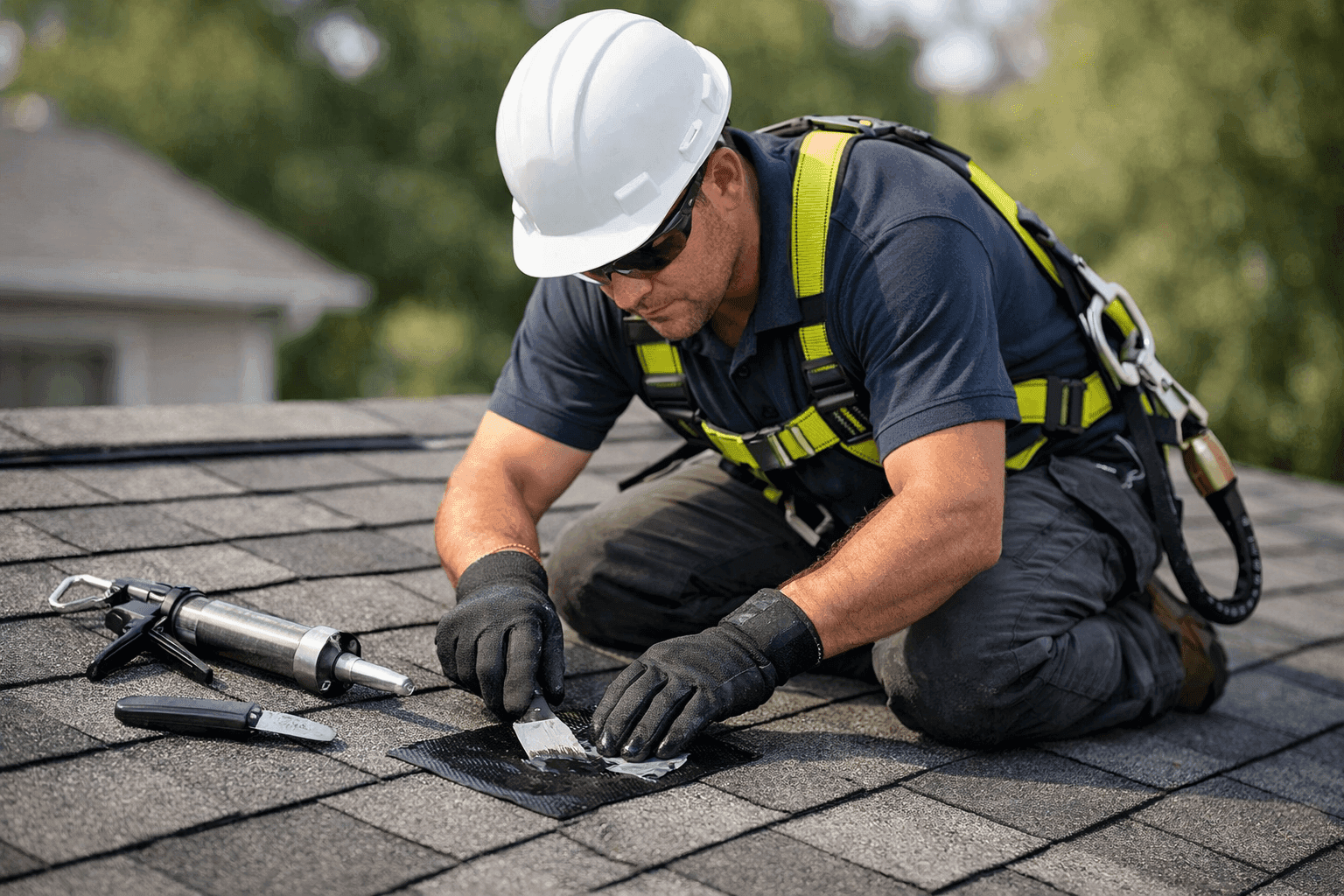
A roof leak is more than a nuisance. It’s a drip, a stain, and then—sometimes—a big, expensive headache. When water sneaks into your home or business, it doesn’t just stay put. It travels, warping wood, staining ceilings, and inviting mold. If you’ve ever dashed for a bucket in the middle of a storm, you know the urgency.
At Shindo Trust Roofing, we’ve seen the smallest leaks become major repairs. But with the right know-how, you can spot trouble early, understand your options, and keep your property dry and safe. Here’s what every property owner should know.
Common Leak Sources: Where Trouble Begins 🕳️
Most leaks don’t start with a dramatic hole. They begin at the weak spots—places where roofing materials meet, shift, or wear out. Here are the most frequent culprits:
- Flashing: Thin metal strips around chimneys, skylights, and vent pipes. Even a tiny crack can let water in.
- Valleys: Where two roof slopes meet, water naturally gathers. If the valley isn’t sealed well, leaks follow.
- Skylights: Improper installation or aging seals around skylights can become leak magnets.
- Shingles: Missing, cracked, or curled shingles break the water barrier.
- Gutters and Downspouts: Clogged or damaged gutters let water pool and seep under shingles.
- Roof Vents: Rubber boots around vents can dry out and split.
- Flat Roofs: Ponding water or failed seams are common issues.
A little detective work goes a long way in finding the true source.
How to Find the Leak: Playing Roof Detective
Water is sneaky. It rarely drips straight down from the entry point. Instead, it runs along rafters and beams, sometimes popping up far from where it started.
Start inside:
- Look for ceiling stains, bubbling paint, or musty odors.
- Trace the stain upward in the attic with a flashlight.
- Check for wet insulation or darkened wood.
Then, inspect outside:
- Scan for missing or damaged shingles.
- Check flashing around chimneys, skylights, and vents.
- Look for debris or standing water on flat roofs.
If you’re comfortable, a garden hose can help. Have someone inside while you soak different roof areas—one section at a time—until the leak shows itself. Always use caution, and never climb a roof in bad weather.
Repair Methods by Roof Type
Not all roofs are created equal. The right fix depends on your roof’s material and design.
Shingle Roofing
- Replace damaged shingles: Pry up old shingles and nails, slide new ones into place, and secure.
- Seal flashing: Apply roofing cement or replace corroded flashing.
- Patch small holes: Use asphalt roofing cement and a patch for minor punctures.
Metal Roofing
- Tighten fasteners: Loose screws or nails can let water in.
- Seal seams and penetrations: Use a high-quality, roof-grade sealant.
- Replace panels: Severely rusted or bent panels may need full replacement.
Flat Roofs
- Patch blisters or cracks: Cut out damaged membrane, apply patch and adhesive.
- Re-seal seams: Use compatible sealant or tape for your roof type (EPDM, TPO, etc.).
- Address ponding: Clear drains and consider adding tapered insulation for better drainage.
Each method has its own pitfalls. Always follow manufacturer recommendations and local building codes (such as those from the International Building Code) for lasting results.
Temporary vs. Permanent Repairs: Knowing the Difference
Sometimes you need a quick fix—especially in the middle of a storm. But not all repairs are built to last.
Temporary repairs might include:
- Tarping the roof to keep rain out.
- Applying roof cement or sealant to small cracks.
- Using waterproof tape on flat roof seams.
These are band-aids, not cures. They buy time until the weather clears or a pro can assess the damage.
Permanent repairs involve:
- Replacing damaged materials (shingles, flashing, panels).
- Properly sealing and securing all joints.
- Addressing underlying structural issues.
A quick patch can save your home from immediate disaster, but don’t stop there. Schedule a full repair as soon as possible.
Signs Your Roof Needs Immediate Attention
Sometimes, leaks are subtle. Other times, they shout for help. Watch for:
- Water stains spreading quickly
- Sagging ceilings or bubbling paint
- Drips during every rainfall
- Mold or mildew growth
- Sudden spikes in energy bills (from soaked insulation)
If you notice these, act fast. Delaying repairs can lead to structural damage and costly restoration.
What Pros Do When They Arrive
When you call in a roofing team, here’s what happens next:
- Inspection: A thorough look inside and out, including the attic and roof surface.
- Leak tracing: Using moisture meters and experience to pinpoint the entry.
- Damage assessment: Checking for hidden issues like rot, mold, or compromised insulation.
- Detailed repair plan: Explaining what needs fixing, how, and why.
- Quality repairs: Using proper materials, techniques, and safety measures.
A professional approach means fewer surprises and a repair that stands up to the next storm.
DIY or Call a Pro? Knowing Your Limits 🛠️
Some repairs are safe for a confident DIYer—like replacing a single shingle or cleaning out gutters. But when you’re dealing with:
- Steep or high roofs
- Persistent leaks
- Structural damage
- Electrical hazards (wet wiring or fixtures)
- Unfamiliar materials (like metal or flat roofing)
It’s time to call in the pros. Safety comes first. Roofing work is dangerous, and mistakes can be costly.
For those who want to understand their leak repair options, Shindo Trust Roofing offers clear, step-by-step guidance and professional help.
Quick Safety Checklist Before You Start
- Only climb a roof when it’s dry and weather is clear.
- Always use a sturdy ladder, properly secured.
- Wear non-slip shoes and gloves.
- Never work alone—have someone spot you.
- Be aware of overhead wires and slippery leaves or debris.
If in doubt, stay on the ground and call for help.
Prevention and Maintenance: Stopping Leaks Before They Start
An ounce of prevention is worth a pound of repair bills. Here’s how to keep leaks at bay:
- Schedule regular roof inspections, especially after storms.
- Clean gutters and downspouts twice a year.
- Trim overhanging branches that can damage shingles.
- Check attic insulation and ventilation—moisture buildup can lead to leaks.
- Watch for early signs: cracked caulk, loose flashing, or missing shingles.
Preventative maintenance is the secret weapon of long-lasting roofs.
Costs, Time, and What to Expect
No two leaks are the same. A simple shingle swap might take an hour and cost little. Major repairs—like replacing flashing or decking—take longer and require more materials.
- Minor repairs: $150–$400, often done in one visit.
- Moderate repairs: $400–$1,000, may involve multiple areas.
- Major repairs or replacements: $1,000 and up, especially for structural or extensive water damage.
Always ask for a written estimate, and be wary of anyone who rushes the process.
When It’s an Emergency: Act Fast, Stay Safe 🚨
A sudden storm, a tree branch, or a torrent of rain—sometimes, a leak can’t wait. Here’s what to do:
- Move valuables and electronics away from the leak.
- Place buckets or towels to catch drips.
- If ceiling bulges with water, poke a small hole to drain—better a controlled drip than a collapse.
- Call for emergency help.
If you’re in need of urgent roof repair in Henderson, local teams are available to respond quickly and limit damage.
Timeline and Disruption: How Long Will It Take?
Most leak repairs can be done in a day or two, depending on weather and materials. More complex fixes—like replacing large sections or addressing structural issues—might take longer.
Roofing work can be noisy and messy. Protect pets, cover furniture, and plan for some disruption. A good crew will keep you informed every step of the way.
Materials and Equipment Pros Use
Professional roofers use:
- Roofing cement and caulk
- Replacement shingles, tiles, or metal panels
- Flashing and sealants
- Moisture meters
- Safety harnesses and ladders
Using the right tools means the job gets done right—and safely.
Quality Standards and Warranty Options
A good repair isn’t just about stopping the leak. It’s about making sure the fix lasts. Shindo Trust Roofing follows industry best practices and uses materials that meet or exceed code standards (refer to the International Building Code and manufacturer instructions).
Ask about available warranties on both materials and labor. A quality repair should give you peace of mind—not just today, but for years to come.
Seasonal Considerations: Timing Your Repairs
Leaky roofs don’t care about the calendar, but weather does affect repair timing.
- Spring and Fall: Ideal for inspections and repairs, with milder weather.
- Winter: Snow and ice complicate repairs; emergency fixes only.
- Summer: High heat can soften shingles and make work tough, but repairs are still possible.
Plan ahead whenever you can. If a leak appears during a stormy season, prioritize a temporary fix until full repairs are safe.
FAQ: Roof Leak Repair Questions Answered
How do I know if my roof is leaking?
Look for water stains, musty smells, or drips during rain. Check the attic for damp insulation or wood.
Is a small leak really a big deal?
Yes. Even tiny leaks can cause mold, rot, and bigger repairs down the line.
Can I use caulk to fix a leak?
Caulk can help with minor gaps, but it’s rarely a permanent solution. Replace damaged materials whenever possible.
How often should I have my roof inspected?
At least once a year, and after any major storm.
Are all leaks covered by insurance?
It depends on the cause and your policy. Sudden damage is often covered; wear and tear usually isn’t. Check with your provider.
Roof leaks don’t have to spell disaster. With the right approach, you can protect your property, save money, and avoid stress. If you spot trouble—or want to prevent it—Shindo Trust Roofing is here to help.
Call Shindo Trust Roofing now — or reach us anytime at 888-698-1884 .