Tile Roofing: Beauty, Durability, and Maintenance
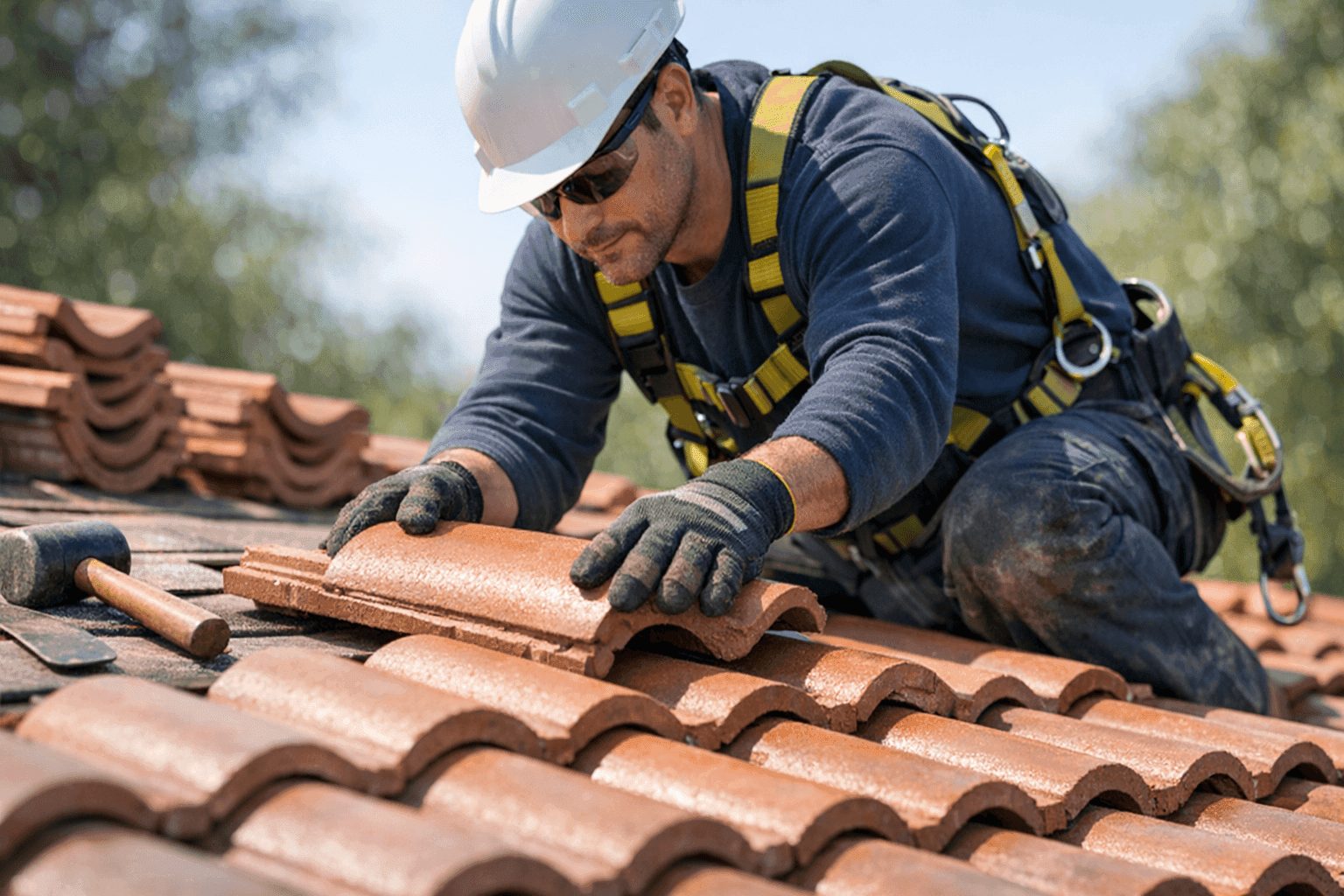
A roof is more than just shelter—it's the capstone of every home or business. When the storms roll in or the summer sun beats down, you want a covering that stands strong and looks great doing it. That’s where tile roofing shines, blending old-world charm with modern resilience.
If you’re considering a new roof or want to make the most of your existing one, understanding tile roofing can help you make the best choice for your property—and your peace of mind.
Tile Roofing Benefits 🏠
Tile roofing is the showstopper of the neighborhood. Picture the iconic red clay tiles on Mediterranean villas, or the sleek, slate-toned concrete roofs topping modern offices. Tile doesn’t just turn heads—it lasts.
Why do so many property owners choose tile?
- Visual Appeal: Tile comes in a rainbow of colors and a variety of shapes—curved, flat, interlocking, and more. It suits classic cottages, stately manors, and sleek commercial buildings alike.
- Longevity: Properly installed, tile roofs can last 50–100 years. That’s a century of protection with minimal fuss.
- Durable Against the Elements: Tile stands up to wind, hail, rain, and even fire, meeting or exceeding many local building codes for weather resistance.
- Energy Efficiency: Natural air pockets under tiles create an insulating effect, helping keep interiors cooler in summer and warmer in winter.
- Eco-Friendly Options: Clay and concrete tiles are made from earth-friendly materials, often recyclable at the end of their long life.
Looking for a roof that holds its beauty and earns its keep? Tile might be the answer.
Types of Tile: Clay vs. Concrete
Not all tiles are created equal. The two most common types—clay and concrete—each bring unique advantages.
Clay Tiles
Time-tested and timeless, clay tiles are crafted from baked earth. Their rich, earthy hues never fade, and they’re naturally resistant to rot and insects. Clay tiles are often lighter than concrete, but still require a sturdy roof structure due to their weight.
Concrete Tiles
Concrete tiles offer flexibility—literally and figuratively. They can mimic the look of clay, slate, or even wood shake. Heavier than clay, they’re exceptionally tough and often more affordable. Their color options are nearly endless, thanks to modern pigments and finishes.
Which is right for you? It often comes down to taste, budget, and your home’s structural needs. A qualified roofer can help you weigh the options.
Comparing Tile to Shingle and Metal Roofs
Is tile worth the investment? Here’s how it stacks up against other popular roofing materials:
- Shingle Roofing: Asphalt shingles are budget-friendly and easy to install. However, they typically last 20–30 years—far less than tile. Shingle roofs require more frequent replacement and are less resistant to fire and severe weather.
- Metal Roofing: Metal is lightweight, durable, and often chosen for its sleek look. It lasts 40–70 years, but may not offer the same classic curb appeal as tile. Metal roofs can be noisy in heavy rain and may dent from hail.
- Tile Roofing: Higher upfront cost, but a longer lifespan and lower maintenance over the years. Tile offers superior weather resistance and unmatched visual appeal.
When comparing total ownership costs, tile roofing often comes out ahead over the long haul.
Maintenance Tips for Tile Roofs
Tile roofs might look indestructible, but a little TLC goes a long way. Regular maintenance helps catch small issues before they become big headaches.
- Annual Inspections: Schedule a professional checkup at least once a year. Pros look for cracked tiles, slipped pieces, or signs of wear.
- Clean Gutters and Downspouts: Blocked drainage can cause water to back up under tiles. Keep gutters and downspouts free of leaves and debris.
- Remove Moss and Algae: Especially in humid climates, moss and algae can take hold. Gentle cleaning with approved solutions keeps tiles clear and safe—avoid harsh pressure washing, which can damage the surface.
- Check Flashing: Areas around chimneys, skylights, and vents need special attention. Damaged flashing can lead to leaks and costly repairs.
- Trim Overhanging Branches: Falling limbs can crack tiles. Keep trees pruned and away from the roofline.
Keep up these habits, and your tile roof will thank you with decades of dependable service.
Common Issues & Signs of Trouble
Tile roofs are rugged, but nothing is invincible. Here’s what to watch for:
- Cracked or Broken Tiles: Even a single damaged tile can let water in. Call a roofer as soon as you spot one.
- Loose or Slipped Tiles: High winds or improper installation can cause tiles to shift.
- Water Stains on Ceilings: If you notice stains inside, it may mean water is finding a way through.
- Debris Accumulation: Leaves, branches, and moss can trap moisture, leading to premature wear.
Spotting these signs early can save you time, money, and stress.
Repair and Replacement: What to Expect
Accidents happen. Whether it’s a tree branch or a hailstorm, tile roofs sometimes need repair. The good news? Most damage can be fixed without replacing the entire roof.
- Tile Replacement: Skilled roofers can swap out broken tiles and match color/texture to existing ones.
- Underlayment Repair: Sometimes the felt or membrane beneath the tiles needs attention. Roofers lift tiles, repair the underlayment, and replace the tiles.
- Full Replacement: In rare cases of extensive damage, a full roof replacement might be recommended. This is more common for roofs nearing the end of their lifespan or with widespread structural issues.
For detailed info on our approach, see our tile roofing service process.
DIY vs. Professional Service
Climbing a tile roof is like walking on eggshells—literally. Tiles can crack underfoot, and safety risks are real. While some homeowners tackle minor cleaning, most repairs and inspections are best left to trained professionals.
Roofing work often requires compliance with OSHA safety standards and local building codes. Professional crews bring the right equipment—and experience you just can’t match from a YouTube video.
Cost Considerations: What Goes Into Tile Roofing
Tile roofing is an investment. Upfront costs are higher than for shingle roofing near you, but the payoff is longevity and reduced maintenance.
What affects the price?
- Material Choice: Clay tiles generally cost more than concrete.
- Roof Complexity: Steep pitches, curves, and odd angles require more labor and precision.
- Structural Upgrades: Your roof frame may need reinforcement to support the weight of tile.
- Removal of Old Roof: If your old roof must be removed first, factor in labor and disposal.
- Professional Installation: Quality matters—well-installed tile pays for itself in fewer repairs and longer life.
While a new tile roof may cost more initially, it often becomes the most cost-effective choice in the long run thanks to its lifespan.
Quick Safety Checklist
Before anyone sets foot on your roof, safety comes first:
- Never walk on tile unless absolutely necessary—cracks happen easily.
- Use proper footwear and safety harnesses.
- Only allow licensed, insured professionals to perform repairs.
- Confirm that contractors follow all local building codes and OSHA guidelines.
Your roof protects everything beneath it. Don’t take chances.
Prevention & Routine Care
A little prevention is worth a pound of repairs. Schedule regular roof inspections, especially after severe weather. Keep gutters clear and landscaping trimmed.
Consider setting reminders for seasonal maintenance—spring and fall are ideal times to check for winter damage or summer sun stress.
Timeline & Disruption: What to Expect
Installing or repairing a tile roof doesn’t happen overnight. Depending on the size and complexity, it may take several days to several weeks. Expect some noise and the presence of a crew, but professional teams work efficiently to minimize disruption.
During repairs, you'll have access to your property, but keep children and pets indoors for safety.
When to Call an Expert
If you see cracked tiles, water stains, or hear the telltale drip of a leak, don’t wait. Water damage spreads fast, and what starts as a small issue can quickly grow.
For property owners in the area, our Portland team is on hand for urgent inspection and support.
Seasonal Considerations
Tile roofs generally stand up well to every season—but each brings unique challenges. Heavy rain tests gutters and flashing. Winter’s freeze/thaw cycles can shift tiles. Summer sun may slowly fade pigments, though quality tiles resist this well. Schedule checkups at least twice a year for peace of mind.
Eco-Friendly Roofing Choices
Tile roofing isn’t just strong and good-looking—it’s better for the planet. Many tiles are made from natural, abundant materials and can be recycled. They’re energy-efficient, helping cut heating and cooling bills over time. If sustainability matters to you, tile is a smart pick.
Frequently Asked Questions
How long does a tile roof really last?
With proper installation and care, 50–100 years is common. Some clay roofs in Europe have stood for centuries!
Is tile roofing too heavy for my house?
Your roof frame may need reinforcement. A professional inspection ensures your structure is up to the task.
Can I walk on my tile roof?
It’s best avoided. Tiles crack easily under concentrated weight. Leave inspections and repairs to the pros.
How do tile roofs hold up to storms?
Very well, especially when installed to code. Properly fastened tiles meet strict wind and impact standards.
The Bottom Line
Tile roofing is a blend of beauty and backbone, sheltering homes and businesses for generations. With proper maintenance and expert installation, it’s a worry-free investment that stands the test of time.
Whether you’re planning a new build, a renovation, or simply want to keep your current roof in top shape, Shindo Trust Roofing is here to help. Our team brings decades of experience, safety-first practices, and a commitment to lasting quality.
Call Shindo Trust Roofing now — or reach us anytime at 888-698-1884 .