Tile Roofing Repair: Signs, Process, and Maintenance Tips
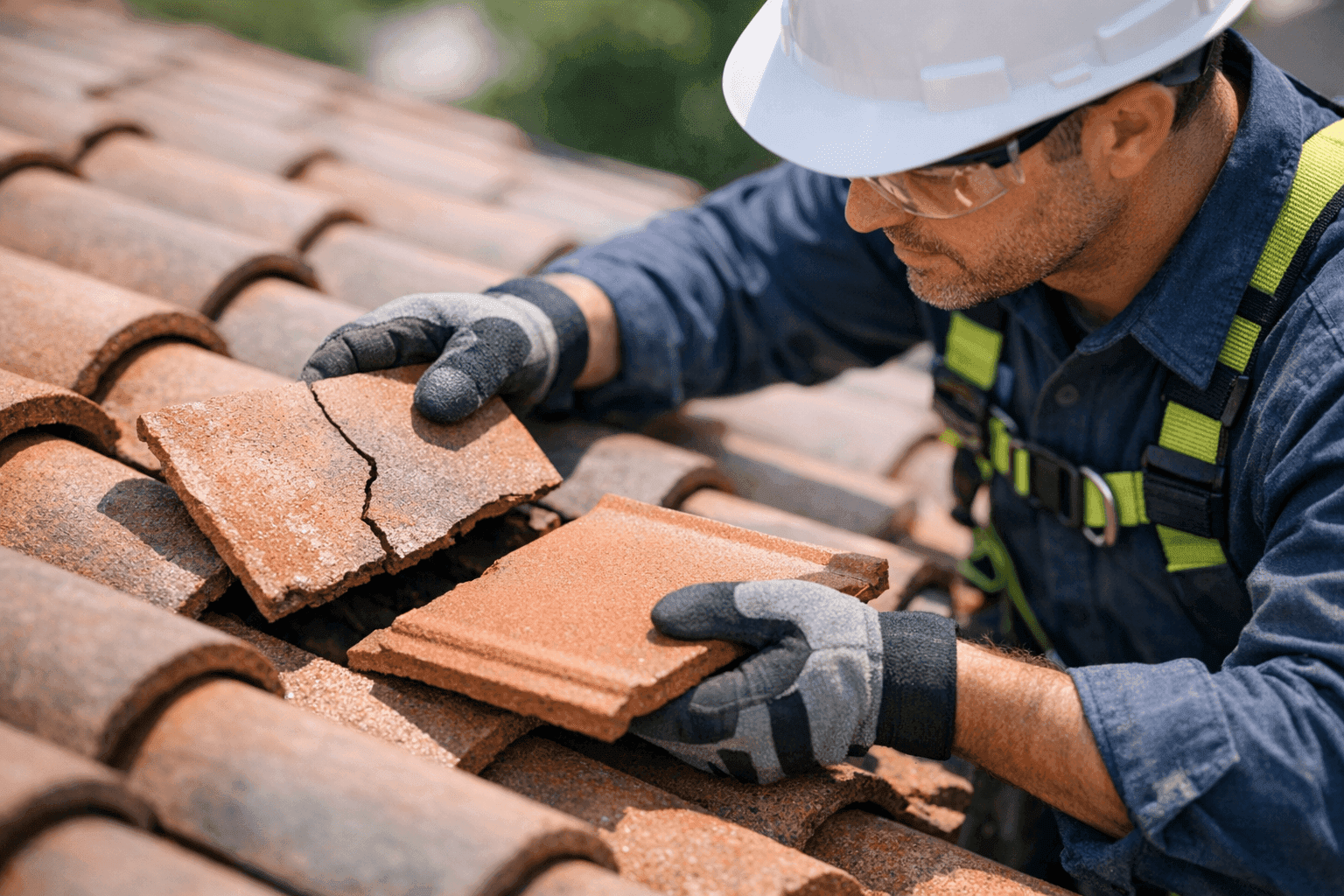
Tile roofs are classic. They’re beautiful, durable, and built to weather storms for decades. But even the toughest tiles need a little attention now and then. If you’re noticing odd spots, drips, or shifting tiles, it’s time to pay close attention.
Every season brings something new—wind, rain, heat, or even a stray branch. Knowing what to look for can mean the difference between a quick fix and a major headache. Let’s walk through the signs, the repair process, and how you can keep your tile roof looking sharp and standing strong.
Common Tile Problems: What to Watch For 🏠
Not every issue is dramatic. Sometimes, trouble starts small—almost like a whisper before a storm. Here are the most common signs your tile roof needs a closer look:
- Cracked or broken tiles: These are like missing teeth in a smile. They let water sneak in, causing hidden damage.
- Loose or slipped tiles: Gravity and weather can nudge tiles out of place. If you spot uneven rows or gaps, it’s a red flag.
- Leaks or water stains: Drips in the attic or brown patches on ceilings often point back to compromised tiles.
- Color fading or chalkiness: Sun and age can bleach tiles, making them brittle and more likely to crack.
- Moss or algae growth: Green fuzz might look harmless, but it can trap moisture and speed up decay.
If you spot any of these, it’s best not to wait. Small problems can quickly snowball into costly repairs.
Quick Safety Checklist Before Inspection
Before you grab a ladder, take a breath. Roofs are risky—one wrong step can mean a long fall. Here are a few safety basics:
- Never inspect a roof alone.
- Wear sturdy, slip-resistant shoes.
- Avoid walking on wet or icy tiles.
- Use a harness if you must step onto the roof.
- If in doubt, call a professional. Your safety is worth more than any repair.
Why Professional Tile Repairs Matter
Tile roofs aren’t just pretty—they’re engineered for performance. But only when installed and repaired with the right materials and know-how. Using the wrong sealant or mismatched tiles is like patching jeans with duct tape. It might hold for a while, but it won’t last.
Proper repairs restore your roof’s weather resistance and keep its value intact. At Shindo Trust Roofing, our crews follow manufacturer specs and local building codes, using underlayment and fasteners designed for your specific tile type. This attention to detail means your roof stays watertight, safe, and looking its best.
The Step-by-Step Tile Roof Repair Process
Curious about what happens when the pros arrive? Here’s how a typical repair unfolds:
- Assessment: First, we inspect the entire roof—not just the problem area. Sometimes, what looks like a single cracked tile is part of a bigger pattern.
- Tile Removal: Damaged tiles are carefully lifted out. This prevents breakage of neighboring tiles.
- Underlayment Check: We check the waterproof membrane beneath the tiles. If it’s torn or worn, it gets replaced.
- Replacement: New tiles are matched for color and style, then set in place with the right fasteners and adhesives.
- Flashing and Sealants: We inspect and repair flashing around chimneys, vents, and valleys, using materials that meet industry standards like those from the National Roofing Contractors Association (NRCA).
- Cleanup: All debris is cleared, leaving your property tidy and safe.
For those with unique or historic tiles, we source the closest possible match to preserve your roof’s character.
When Is Tile Roof Damage an Emergency?
Some problems can’t wait. If you see water pouring in during a storm, or notice sagging sections, it’s time to act fast. Emergency repairs may involve temporary waterproofing until a full fix can be made.
If you live in an area prone to heavy rain or wind, keeping our number handy is a smart move. For those looking for roofing services in Indian Trail, our team can respond quickly and help prevent further interior damage.
DIY vs. Professional Tile Roof Repair
It’s tempting to swap out a broken tile yourself. But tile roofing isn’t like changing a lightbulb. The risk of breaking more tiles—or damaging the underlayment—runs high. Plus, improper repairs can void warranties or violate local codes.
For lasting results and peace of mind, consider tile roofing services from trained specialists who understand the nuances of installation and repair.
Maintenance Tips to Extend Tile Roof Life 🧰
A little care goes a long way. Here’s how to keep your tile roof in top shape:
- Annual inspections: Schedule a pro to check for cracked, loose, or missing tiles each year.
- Gutter cleaning: Clogged gutters can cause water to back up under tiles, leading to leaks.
- Trim overhanging branches: Falling limbs are a common cause of cracked tiles.
- Clear debris: Leaves and moss trap moisture and speed up wear.
- Check attic ventilation: Proper airflow prevents heat buildup, which can warp tiles and underlayment.
Regular upkeep doesn’t just prevent leaks; it helps your roof last for decades.
Costs and Time Factors: What to Expect
No two repairs are exactly the same. A single cracked tile might be a quick fix, while widespread damage could require a larger section to be redone. Most minor repairs take just a few hours, but larger jobs may stretch over a day or two—especially if weather or access is tricky.
Costs depend on the type of tile, the extent of damage, and whether structural repairs are needed. We always recommend a thorough inspection first, so you know exactly what to expect.
Seasonal Considerations for Tile Roofs
Tile roofs handle sun and storms well, but seasonal shifts can stress even the best materials. After heavy storms or high winds, check for shifted or missing tiles. In winter, watch for ice dams or snow buildup along the eaves.
Spring and fall are ideal times for inspections and maintenance. Early action means fewer surprises—and less risk of leaks when the weather turns.
Common Mistakes Homeowners Make
It’s easy to overlook the roof until there’s a problem. But some missteps can invite trouble:
- Ignoring minor cracks or slips.
- Using pressure washers—these can break tiles and force water underneath.
- Walking directly on tiles. Even sturdy ones can crack underfoot.
- Skipping annual inspections.
Avoid these pitfalls to keep your roof strong and your home dry.
When to Replace Tiles Instead of Repairing
Sometimes, repairs aren’t enough. If more than 25% of your tiles are damaged, or if the underlayment is shot, replacement may be the smarter move. Persistent leaks, sagging sections, or widespread color loss are other signs it’s time for a change.
If you’re unsure, a professional inspection can help you weigh the cost and benefits of repair versus replacement. For those considering broader fixes, our roof repair services can assess your options and recommend the best path forward.
How Repairs Preserve Your Roof’s Value
A well-maintained tile roof is a selling point for any property. It signals quality, care, and long-term savings. Proper repairs not only prevent leaks—they also protect insulation, framing, and interiors from costly water damage. In short: a little attention now can save you thousands down the road.
What to Expect During a Professional Visit
When our team arrives, you’ll get clear communication, respect for your property, and a focus on safety. We use industry-approved materials and follow protocols from groups like the NRCA and OSHA for every job. You’ll know what’s happening each step of the way, and we’ll answer any questions before, during, or after the work.
FAQ: Tile Roof Repair
How long do tile roofs last?
With proper care, tile roofs can last 50 years or more.
Can I walk on my tile roof?
It’s best to avoid it. Tiles can crack easily under pressure.
How often should I schedule inspections?
Once a year is a good rule of thumb, or after major storms.
What if my tiles are discontinued?
We’ll help source matching or compatible replacements whenever possible.
Ready for a Stronger, Safer Roof?
Whether you’re facing a small crack or a major leak, Shindo Trust Roofing is here to help—season after season. Protect your investment and your peace of mind.
Call Shindo Trust Roofing now — or reach us anytime at 888-698-1884 .