When to Replace Your Roof: Signs and Timeline
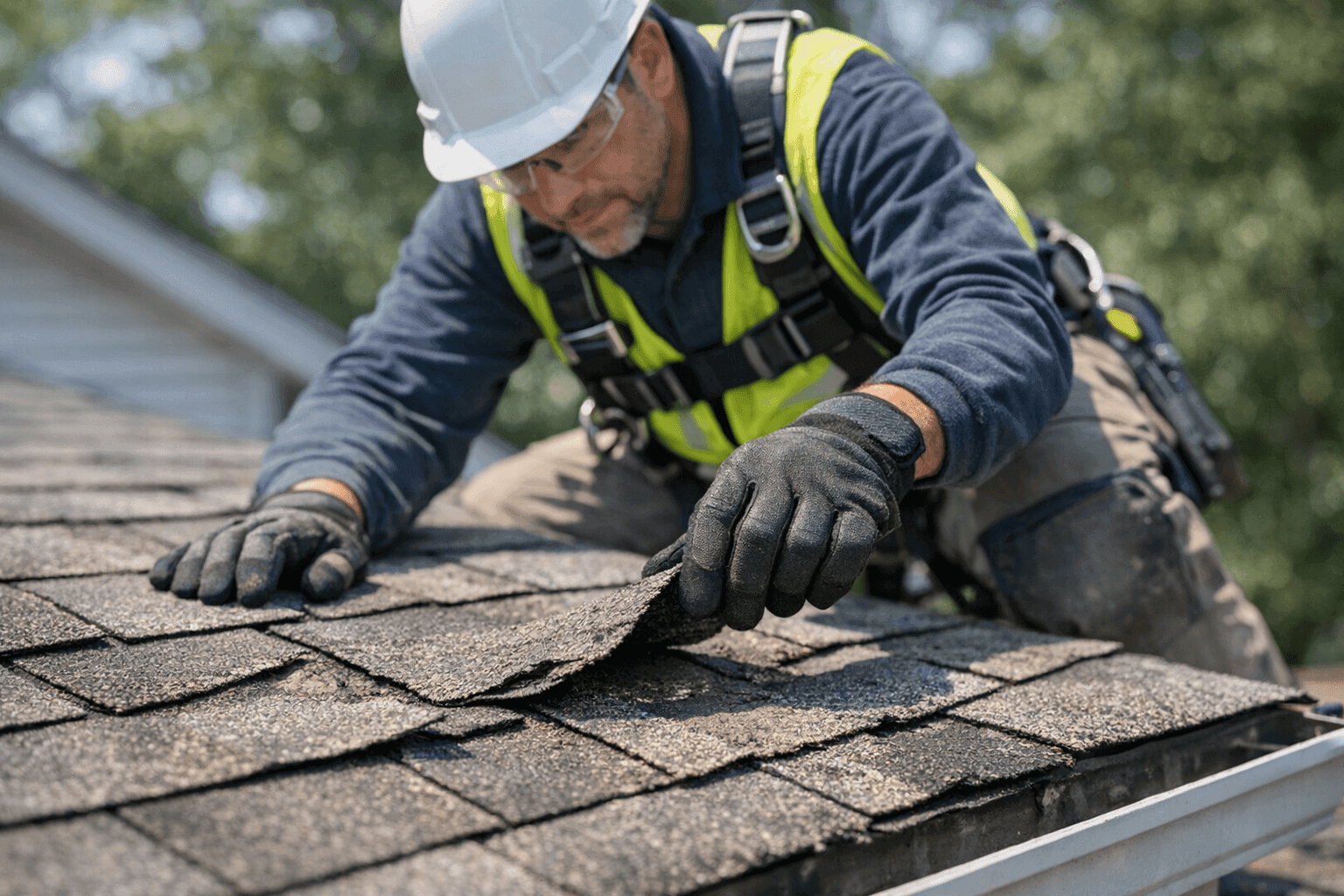
Is your roof whispering for help, or shouting for a total overhaul? Sometimes the signals are subtle—like a slow drip after a storm. Other times, trouble arrives loud and clear: missing shingles, water spots, or daylight beaming through the attic.
At Shindo Trust Roofing, we know that replacing a roof is a big decision for any property owner. It’s not just about patching leaks. It’s about protecting your investment, your family, or your business from the outside world.
Roof Lifespan by Material ⏳
Every roof has an expiration date—just like milk in the fridge. Some last longer than others, but nothing lasts forever.
- Asphalt Shingles: 15–30 years is typical. Fiberglass upgrades stretch life closer to 30.
- Metal Roofing: 40–70 years, if maintained. These roofs shrug off most storms.
- Tile Roofing: Clay and concrete tiles can last 50 years or more but need careful installation.
- Flat Roofs: Built-up or membrane varieties usually last 10–25 years.
- Wood Shakes: 20–40 years, though they demand diligent care.
Check the paperwork from your last installation. If your roof is nearing the end of its expected run, it’s wise to start planning.
Visible Warning Signs
A roof rarely fails all at once. Watch for these red flags:
- Missing, cracked, or curling shingles: Like loose puzzle pieces after a child’s game.
- Bald spots or granule loss: Shingles look patchy, and gutters fill up with black grit.
- Sagging: Rooflines should be straight. Sagging means structural wood might be failing.
- Moss, algae, or lichen: These can trap moisture and speed up rot.
- Water stains inside: Brown circles on ceilings or walls spell trouble up top.
- Daylight in the attic: If you see sun peeking through, water isn’t far behind.
If you spot any of these, it’s more than just a cosmetic issue. Problems left unchecked can snowball into much bigger repairs.
The Cost of Waiting: Risks of Delayed Roof Replacement
Ignoring roof trouble is like driving with the check engine light on—hoping for the best, but risking the worst. Delaying replacement puts you at risk of:
- Interior water damage: Mold, ruined insulation, and warped wood.
- Higher energy bills: Drafts or leaks let heat escape and cold air in.
- Structural damage: Rot spreads to rafters or decking, multiplying costs.
- Insurance headaches: Many policies won’t cover neglect.
The longer you wait, the steeper the eventual repair bill. And for businesses, downtime from water damage can mean lost revenue and disruption.
Roof Inspections: The First Step
Not sure if you need a replacement or just a fix? A thorough roof inspection provides the answers. Here’s what a professional will do:
- Walk the roof—carefully—looking for physical damage.
- Assess flashing around chimneys, skylights, and vents.
- Check gutters, downspouts, and drainage.
- Look for signs of leaks in the attic.
- Document findings with photos and notes.
The National Roofing Contractors Association (NRCA) recommends inspections at least twice a year—ideally in spring and fall.
Repair vs. Replace: Making the Right Call
It’s the classic fork in the road: patch the old roof or invest in a new one? Here’s how to weigh your options.
-
When repairs make sense:
- Damage is limited to a small area.
- Roof is fairly new or mid-life.
- No widespread leaks or structural issues.
-
When replacement is smarter:
- Multiple leaks, or recurring repair needs.
- Roof is at or past its expected lifespan.
- Extensive shingle loss, sagging, or rot.
Think of repairs as a quick bandage. Full replacement is a reset button—especially when you want peace of mind for years to come. Explore your roof replacement options if you’re facing widespread or recurring issues.
The Roof Replacement Process: What to Expect
A full roof replacement is a major project, but it shouldn’t be a mystery. Here’s the journey:
- Assessment: Inspection and honest discussion about needs and materials.
- Preparation: Property and landscape protection, permits, material delivery.
- Removal: Old roofing material is stripped off—down to the deck if needed.
- Repairs: Damaged decking or wood is fixed.
- Installation: New underlayment, flashing, shingles, or chosen roof system installed.
- Clean-up: Debris removal, magnet sweep for nails.
- Final check: Walkthrough with you to ensure satisfaction.
Most residential jobs take 1–3 days. Commercial or complex roofs may need more time.
Common Mistakes to Avoid
A little knowledge goes a long way. Sidestep these pitfalls:
- Ignoring small leaks: Water finds a path and never forgets.
- DIY roof fixes: Improper repairs can void warranties and fail safety codes.
- Choosing the cheapest bid: Inferior materials or rushed work cost more in the long run.
- Skipping maintenance: Annual checkups catch problems early.
Always follow local building codes—refer to the International Residential Code (IRC) or International Building Code (IBC) for safety and compliance.
Preventative Maintenance: Stretch Your Roof’s Life
Want your roof to last? Treat it like a prized car—regular checkups, gentle cleaning, and quick repairs.
- Clean gutters and downspouts to prevent pooling water.
- Trim overhanging branches to avoid falling debris.
- Address minor repairs before they grow.
- Schedule annual inspections—especially after harsh weather.
A well-loved roof can outlast its projected lifespan and save you money over time.
When the Weather Strikes: Emergency Roof Care ⚡
Storms don’t check your calendar. If wind, hail, or falling branches hit your home or business, quick action is key.
- Use tarps to cover exposed areas.
- Photograph damage for insurance.
- Schedule a professional assessment as soon as possible.
- Watch for hidden leaks in the days following.
Local availability matters in a crisis. If you need timely support, our team in Twin Falls is ready to respond with experience and care.
Seasonal Considerations: Timing Your Replacement
Roofing is best done in mild, dry weather. Spring and early fall are ideal for most regions—materials seal well, and crews work efficiently. Summer heat can soften asphalt shingles, while winter may bring slippery conditions and slow progress.
If your roof is failing fast, don’t wait for perfect weather. Emergency replacement can be done safely with the right precautions.
Frequently Asked Questions
How do I know if my roof is too old—even if it looks fine?
Check your records. If your roof is older than its typical lifespan (see above), it’s at risk even if problems aren’t visible yet. Schedule an inspection to be sure.
Will my business need to close during a commercial roof replacement?
Not always. Many projects can be staged to keep you operational, though some disruption is likely. Clear communication with your contractor helps minimize downtime.
Can I repair just the damaged area instead of replacing the whole roof?
Sometimes, yes. But if the underlying issues are widespread or the roof is aging, spot repairs may just buy time before bigger issues emerge.
What Pros Look For On Arrival
When a professional arrives, expect careful attention to safety and detail:
- Use of harnesses or rails on steep or high roofs.
- Inspection of all penetrations (vents, skylights, chimneys) for flashing failure.
- Assessment of attic ventilation and insulation.
- Checking for hidden rot or moisture with moisture meters.
A professional’s eye spots trouble you might never see from the ground.
DIY or Call in the Pros?
Some fixes—like cleaning gutters or replacing a single shingle—are within reach for handy homeowners. But most repairs, replacements, and inspections are safer and more effective when handled by trained roofers.
Working at height is risky, and the smallest oversight can lead to leaks, injuries, or code violations.
Timeline & Disruption: How Long Does Roof Replacement Take?
- Residential homes: 1–3 days, barring weather or hidden damage.
- Large, complex, or commercial roofs: Several days to two weeks.
Noise, dust, and occasional traffic around your home or business are normal. Good communication helps you plan ahead and limit surprises.
Materials & Equipment: What’s Involved
Roofing crews bring more than hammers and nails:
- Safety gear for every worker.
- Dumpsters for old materials.
- Specialty tools for metal, tile, or flat roofing.
- Quality underlayment and flashing for leak protection.
Premium materials, like reflective or eco-friendly options, can boost longevity and cut energy costs.
Preparing for Service
Help your project go smoothly:
- Move vehicles away from work zones.
- Protect valuable plants or outdoor furniture.
- Alert neighbors about upcoming noise.
- Keep pets and children indoors.
A little preparation keeps everyone safe and reduces cleanup headaches.
A sturdy roof is more than shelter—it’s security, comfort, and peace of mind. If you’re unsure whether it’s time for repair or replacement, don’t leave it to chance.
Call Shindo Trust Roofing now — or reach us anytime at 888-698-1884 .