Eco-Friendly Roofing Options for Modern Homes
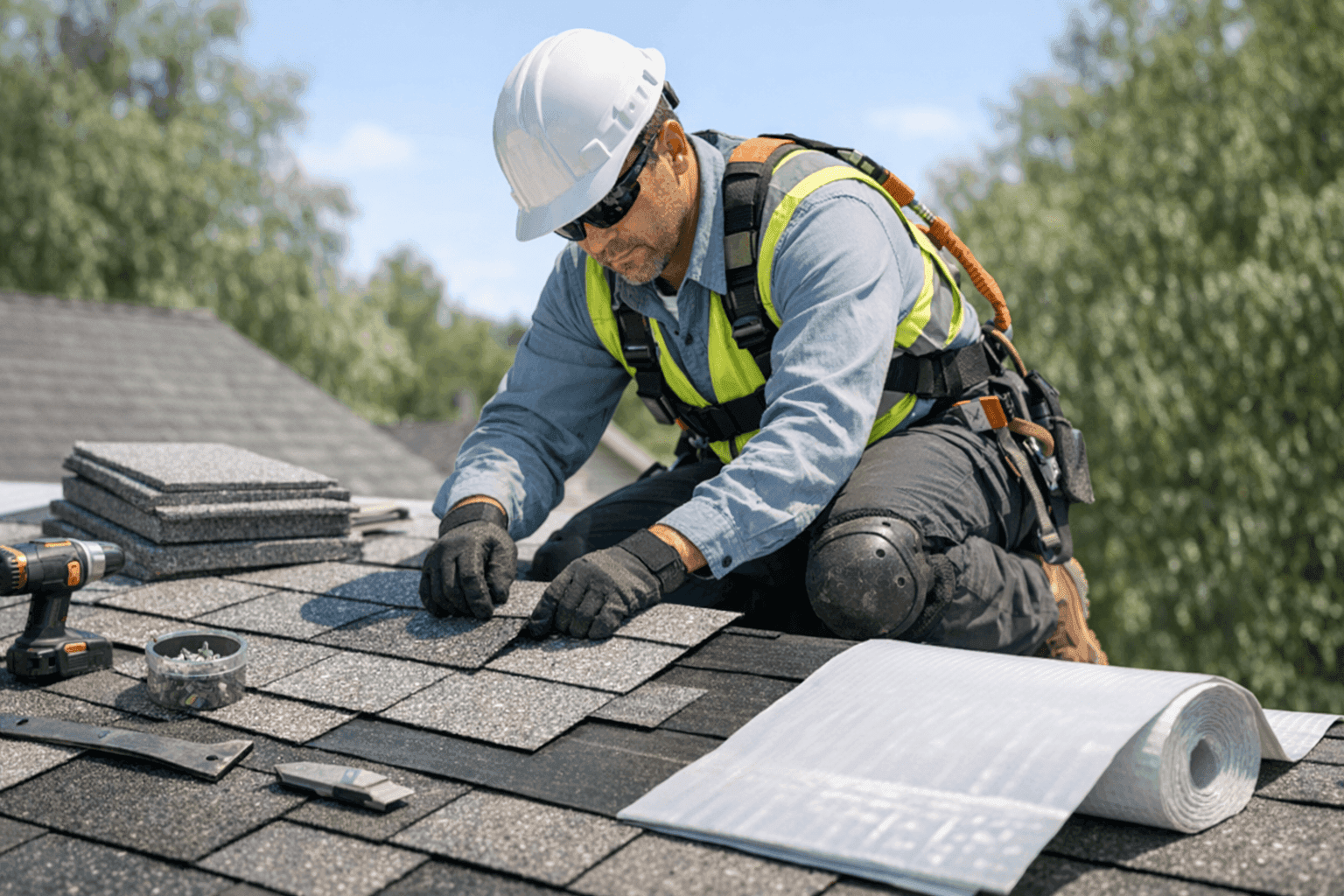
Is your roof working for you—or against the planet? Today’s homeowners and businesses face a puzzle: how to keep costs down, stay comfortable, and do right by the environment. Roofing is a big piece of that puzzle. At Shindo Trust Roofing, we see every roof as a chance to make a difference.
Eco-friendly roofing isn’t just about saving energy. It’s about making smart choices that last, protect your investment, and help the world outside your window. Let’s break down the options, what they really save, and how to get it right the first time.
Types of Eco-Friendly Roofing
Not all green roofs are covered in grass. Modern eco-friendly roofing comes in many forms, from recycled shingles to reflective metal. Each has its own strengths, like tools in a toolbox:
- Recycled Shingles: Made from old rubber, plastic, or wood fiber. They look sharp and keep waste out of landfills.
- Metal Roofs: Reflect sunlight, last for decades, and are often made from recycled steel or aluminum.
- Cool Roofs: Coated with special paint or membranes that bounce heat away, keeping your attic cool as a cucumber.
- Clay and Concrete Tiles: Heavy, but built to last and naturally insulating.
- Green Roofs: Living plants on your rooftop—nature’s own air conditioner.
- Slate and Synthetic Slate: Durable, fire-resistant, and can be made from recycled content.
Each of these materials can play a starring role in your eco-friendly roofing options. The right choice depends on your budget, climate, and style.
Cost vs. Savings: The Real Math
Sticker shock is real. Eco-friendly roofs can cost more up front. But pause a moment—think of it like buying a sturdy pair of boots instead of cheap flip-flops.
- Energy Savings: Cool roofs and metal reflect heat, slashing summer cooling bills.
- Longer Lifespan: Metal and tile can last 40–70 years, outliving many traditional shingles.
- Insurance Discounts: Some insurers reward durable, fire-resistant materials.
- Tax Credits & Incentives: Federal, state, and local programs may help offset costs (check Energy Star and local building codes).
Over time, many eco-friendly options pay for themselves—sometimes faster than you’d think.
Environmental Benefits 🌱
Choosing a green roof does more than shrink your bills. It’s a ripple effect:
- Reduced Landfill Waste: Recycled shingles and metals keep tons of debris out of dumps.
- Lower Urban Heat: Cool roofs and green roofs help cool cities, not just homes.
- Cleaner Air: Plants on green roofs filter dust and pollutants.
- Water Management: Some systems soak up rain, easing stormwater runoff.
Every eco-conscious choice helps future generations breathe easier.
Comparing Materials: What Fits Your Home?
Think of your roof like a hat—what works in one place might not fit in another. Here’s how common eco-friendly materials stack up:
- Metal Roofing: Lightweight, fireproof, and endlessly recyclable. Great for snowy or rainy climates.
- Recycled Shingles: Mimic the look of wood or slate, but with a lighter footprint.
- Tile & Slate: Heavy, but unmatched for longevity. Best for sturdy structures.
- Cool Roof Coatings: Flexible and affordable for flat or low-slope roofs.
- Vegetative Roofs: Ideal for flat roofs with extra support.
If you’re curious about metal roofing benefits, it’s worth noting that these systems often come with advanced coatings for extra energy efficiency and weather resistance.
Installation Tips: Getting Green Right
A green roof isn’t just about the material. It’s about how it’s installed. Even the best eco-roof can flop if corners are cut.
- Proper Ventilation: Keeps moisture out and insulation dry.
- Quality Underlayment: Acts as a weatherproof layer beneath your main material.
- Professional Flashing: Prevents leaks at chimneys, vents, and skylights.
- Certified Installers: Look for contractors trained in eco-friendly systems.
The North American Roofing Contractors Association and ENERGY STAR both recommend using certified pros for sustainable roofing. It’s not just about safety—it’s about unlocking the full energy-saving potential.
Quick Safety Checklist for Green Roofing
Before any work begins, make sure:
- The roof structure can handle extra weight (especially for tiles or green roofs).
- All materials meet local fire and wind codes.
- Proper fall protection is in place for installers.
- Old roofing is disposed of responsibly.
Safety first. Always.
DIY vs. Call a Pro
Some home projects are perfect for a Saturday afternoon. Roofing isn’t one of them. Even experienced DIYers can miss hidden leaks or ventilation issues.
- DIY Risks: Falls, poor weatherproofing, voided warranties.
- Pro Advantages: Warranty coverage, code compliance, expert installation.
For eco-friendly roofing, professional installation isn’t just smart—it’s essential.
When to Call an Expert
If your roof is leaking, sagging, or showing signs of age, don’t wait. Seasonal storms and rapid temperature swings can turn small problems into big headaches. For those seeking roofing services in Jonesboro, local support is available when you need it most.
Energy Efficiency: How Much Can You Save?
Picture this: a cool roof that reflects sunlight, keeping your attic 20–30 degrees cooler. According to the U.S. Department of Energy, homeowners can save up to 15% on annual cooling costs with reflective materials.
- Metal and Cool Roofs: Best for hot, sunny climates.
- Insulation & Ventilation: Boosts savings even more.
Pairing eco-friendly materials with proper attic insulation is like wearing a windbreaker over a sweater—double the protection.
Certifications That Matter
Not all “green” roofs are created equal. Look for these trusted marks:
- ENERGY STAR: Recognizes high-efficiency roofing products.
- Cradle to Cradle: Certifies materials for safety and recyclability.
- UL Environment: Tests for environmental claims.
- LEED: Awards points for sustainable construction.
These certifications aren’t just stickers—they’re proof your roof meets tough standards.
Maintenance: Keeping It Green Year After Year
Eco-friendly roofs need care, just like any investment.
- Regular Inspections: Check for loose shingles, damaged flashing, or clogged gutters.
- Gutter Cleaning: Prevents water backup and rot.
- Sealants and Coatings: Reapply as recommended to keep cool roofs and metal shining.
Simple steps, big impact.
Common Mistakes to Avoid
- Skipping professional installation—voids warranties and can lead to leaks.
- Forgetting about attic ventilation—traps heat and moisture.
- Choosing the wrong material for your climate—shortens lifespan.
- Ignoring manufacturer maintenance guidelines.
A little planning goes a long way.
Timeline & Disruption: What to Expect
Most eco-friendly roof installations take a few days to a week. Weather, roof size, and material can stretch that. Expect some noise and dust, but a good crew keeps disruption to a minimum.
Plan ahead—move outdoor furniture, cover attic belongings, and keep pets inside.
Storm Damage and Emergency Repairs
Green roofs are tough, but storms happen. If you spot missing shingles, dents, or leaks after a storm, act fast. Quick repairs prevent bigger problems.
Emergency services are available—just ask about eco-friendly repair materials to keep your roof sustainable.
Real-World Results: Case Studies
We’ve seen it firsthand—families and businesses slashing energy bills and enjoying quieter, more comfortable spaces after switching to green roofing. One local school cut cooling costs by a third with a reflective metal roof. A homeowner watched their attic temperature drop by 25°F after a cool roof upgrade.
These aren’t just numbers. They’re stories of comfort, savings, and pride in doing the right thing.
Seasonal Considerations
Spring and fall are prime times for roof upgrades—mild weather means smoother installs. In snowy areas, metal sheds snow fast. In hot zones, cool roofs keep interiors bearable.
If you’re planning ahead, schedule early to avoid peak season rushes.
Preparing for Installation
Before work begins, clear driveways, trim overhanging branches, and let neighbors know about the project. Good prep means faster, safer work.
Ask your installer about recycling old roofing and using low-VOC adhesives or sealants and coatings for extra green points.
Frequently Asked Questions
Q: Will an eco-friendly roof look good on my home?
Absolutely. Modern green materials come in many colors and styles—no need to sacrifice curb appeal.
Q: How do I know what’s right for my building?
A professional inspection can match materials to your structure, climate, and budget.
Q: Are these roofs noisy in the rain?
Metal roofs can be quieted with proper insulation and underlayment. Most green roofs are as peaceful as a soft rain on leaves.
Q: How long will an eco-friendly roof last?
Many options outlast traditional shingles—some for half a century or more.
Why Professional Installation Matters
A roof is only as strong as its weakest seam. Certified installers follow manufacturer specs, local codes, and safety standards. They catch details that make the difference between a roof that saves and a roof that leaks.
For the full benefits—energy savings, durability, and warranty protection—professional installation is the way to go.
Call Shindo Trust Roofing now — or reach us anytime at 888-698-1884 .