The Impact of Roof Color on Energy Efficiency and Curb Appeal
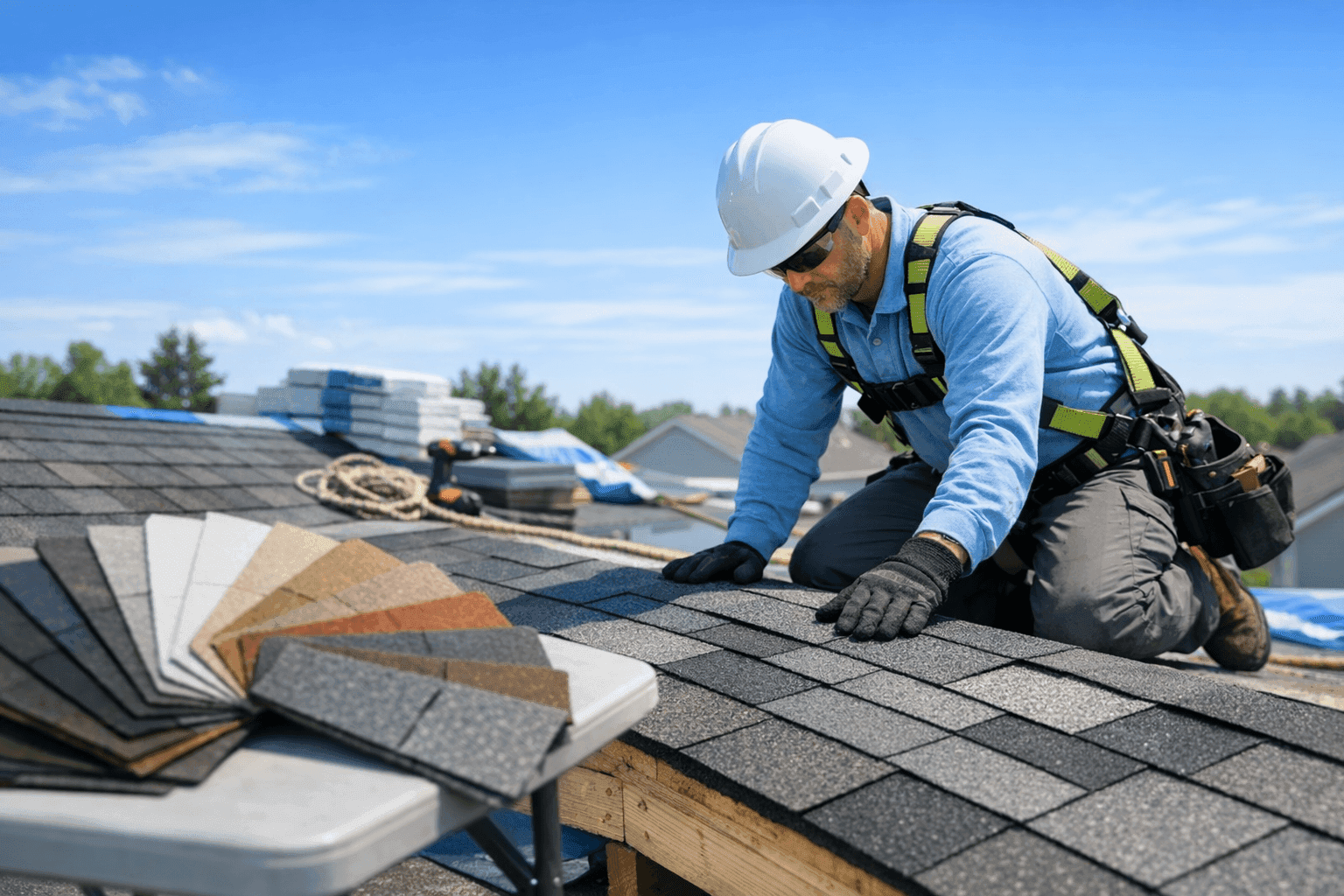
Have you ever stood outside on a hot summer day and felt the sun beating down on your house? The color of your roof isn’t just a style choice—it’s a decision that can echo through your energy bills and the comfort of your home. At Shindo Trust Roofing, we know that what sits above you matters more than you might think.
Choosing the right roof color can feel like picking the perfect hat for your house. It’s about comfort, curb appeal, and, yes, saving money. Let’s break down the science and the style, so you can make a choice you’ll love for years.
How Color Impacts Energy
It’s simple: dark colors soak up heat, while light colors bounce it away. Think of walking barefoot on blacktop versus a white sidewalk in July. The same principle applies to your roof.
- Dark roofs: Absorb more sunlight, making attic spaces warmer. That can drive up cooling costs in summer.
- Light roofs: Reflect sunlight, keeping homes cooler and easing the strain on your air conditioner.
The U.S. Department of Energy reports that cool roofs—often lighter in color or specially coated—can lower surface temperatures by up to 50°F compared to traditional dark roofs. That’s a big difference, especially in areas with long, hot summers.
The Science of Color and Heat Absorption
Every color has a “solar reflectance” value—a measure of how much sunlight it reflects. White and light gray shingles have high reflectance, while deep browns, reds, and blacks are lower. The material itself also plays a role. Metal roofing, for example, often comes with reflective coatings that boost efficiency, no matter the color.
Energy Star®-rated roofing products are tested for these properties. According to the Oak Ridge National Laboratory, switching to a reflective roof can reduce peak cooling demand by 10–15%.
Curb Appeal Factors 🏡
Roof color isn’t just about science. It’s about style, too. The right shade can turn an ordinary house into a neighborhood standout—or help a business look polished and professional.
- Neighborhood trends: Some communities lean toward earthy tones; others prefer bold contrasts.
- Architectural style: Victorian homes shine with slate blues or greens. Modern designs often favor crisp whites or charcoal.
- Landscaping and siding: Consider how your roof color will play off brick, stone, or painted exteriors.
A well-chosen roof color can boost resale value and make your property feel inviting from the street. Think of it as your building’s first handshake.
Choosing the Right Color for Your Climate
Climate matters—a lot. In southern or sun-soaked regions, light roofs are a smart move. They help keep buildings cooler and reduce air conditioning costs. In colder climates, a darker roof can help with snowmelt and add a touch of warmth.
If you’re aiming for both energy savings and a fresh look, talk to your roofer about cool roof technology. Many shingle and metal options now offer reflective granules or coatings, available in a wide range of colors.
Popular Roof Colors and Their Effects
- White and light gray: Maximum reflectivity; best for hot climates.
- Beige and tan: Subtle, blends well with natural landscapes.
- Brown and dark gray: Classic, works well in cooler areas.
- Blue, green, and red: Adds personality; consider reflectivity ratings.
No matter your choice, always check the manufacturer’s performance data. Look for solar reflectance and thermal emittance ratings.
Real-World Results: Manufacturer Data & Case Studies
GAF and CertainTeed, two leading shingle manufacturers, publish data showing that their cool roof products can cut annual cooling energy use by up to 20% in some climates. In a recent case study, a commercial building with a light-reflective membrane saw interior temperatures drop by 7°F, reducing HVAC strain and extending roof lifespan.
Energy Bills: The Ripple Effect
A roof that reflects more sunlight means your air conditioner works less. Over a year, that can translate to hundreds of dollars saved. The EPA estimates that cool roofs can lower annual energy bills by 7–15% on average for single-story homes.
For businesses, the savings can be even greater, especially for large, flat-roofed buildings.
Color Selection as Part of an Energy-Efficient Strategy
Roof color isn’t the only piece of the puzzle. Insulation, attic ventilation, and the right materials all play a role. When combined, these choices create a home or business that’s comfortable year-round and easier on your wallet.
If you’re interested in making greener choices, consider exploring our eco-friendly roofing options to further boost your building’s performance and sustainability.
Maintenance and Longevity: How Color Plays a Role
Lighter roofs can show dirt and algae more easily, but many modern shingles come with stain-resistant technology. Darker roofs may fade over time, especially in direct sun, but regular inspections and cleaning can keep them looking sharp.
A well-maintained, properly colored roof can add years to its lifespan. That’s less waste and fewer headaches down the line.
Quick Safety Checklist Before Choosing
- Always check local building codes for approved colors and materials.
- Ask for manufacturer reflectance data—don’t guess.
- Consider fire ratings, especially for wood shake or tile.
- Plan for regular inspections and cleaning.
DIY vs. Professional Guidance
Choosing a roof color isn’t a weekend project. There’s more to it than picking a swatch. Professionals consider insulation, ventilation, and even how sunlight moves across your property. That’s why working with a licensed contractor is key.
What the Pros Do On Arrival
When our team arrives, we look at your roof’s orientation, the shade from trees or nearby buildings, and your attic’s current insulation. We’ll talk through your style goals and energy needs, then recommend colors and materials that fit both.
Prevention & Maintenance Tips
- Schedule annual roof inspections.
- Clean gutters and downspouts to prevent water damage.
- Watch for algae or moss, especially on lighter roofs.
- Touch up sealants and coatings as needed.
Costs & Time Factors
Lighter, reflective shingles may have a slightly higher upfront cost, but the energy savings often pay for themselves. Installation time is similar to traditional roofing, but always ask for a detailed estimate.
When It’s an Emergency
Storm damage or leaks can’t wait for a color consult. If you need urgent repairs, our team can provide temporary solutions and help you choose the best color during the restoration process. For those seeking roofing services in Valdosta, timely support is available when you need it most.
Common Mistakes to Avoid
- Ignoring local climate when picking a color.
- Overlooking manufacturer performance data.
- Forgetting about neighborhood guidelines or HOA rules.
- Choosing a trendy color that may fade or clash with future updates.
Signs Your Roof Needs an Update
- Curling or missing shingles.
- Noticeable fading or streaking.
- Higher-than-normal energy bills.
- Frequent leaks or ventilation issues.
If you spot any of these, it may be time for a roof replacement.
Timeline & Disruption: What to Expect
Most roof replacements take a few days, weather permitting. Choosing a new color is the fun part—but plan ahead, as custom colors may take longer to order. Our team keeps disruption to a minimum, so you can get back to normal life quickly.
Materials and Equipment: Matching Color and Performance
From asphalt shingles to metal panels and tile, every material brings its own palette and performance features. Ask about cool roof coatings, impact resistance, and warranties that match your climate and needs.
Seasonal Considerations
Roof color matters year-round, but especially in peak summer or winter. Plan your project for mild weather when possible. If you’re in an area with heavy storms or temperature swings, talk to your roofer about the best timing and color for your situation.
Final Thoughts: Make Your Roof Work for You
Your roof is more than a cover—it’s a shield, a style statement, and a long-term investment. The right color can keep you cooler, lower your bills, and make your property shine.
Ready to talk colors, materials, or energy savings? Call Shindo Trust Roofing now — or reach us anytime at 888-698-1884 .