Tile Roofing Pros and Cons: Is It Right for You?
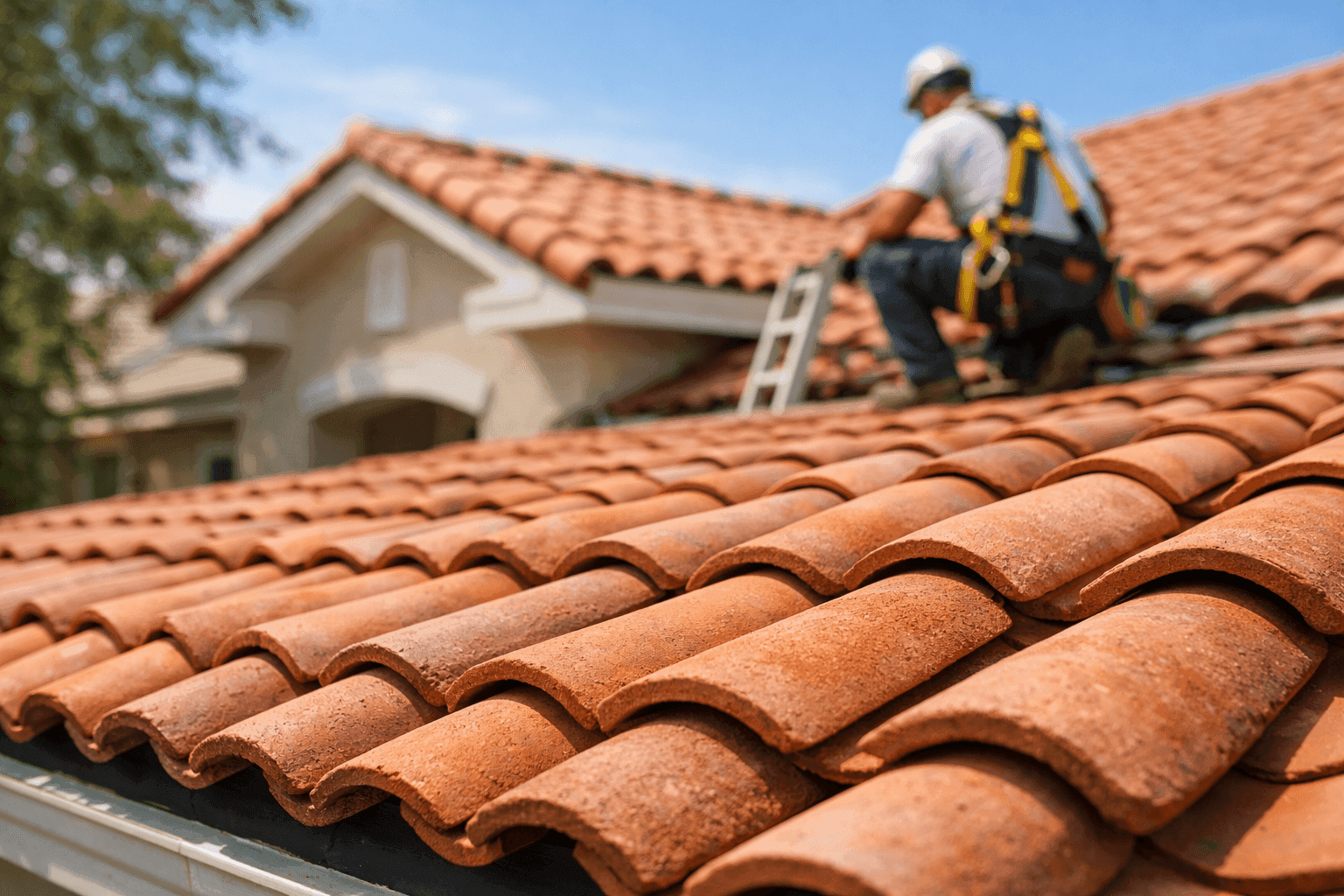
When it comes to protecting your home or business, your roof does more than just keep the rain out. It’s your shield against storms, sun, and time itself. Choosing the right roofing material can feel overwhelming—especially when tile enters the conversation.
Tile roofing stands out for its classic look and long-lasting reputation. But is it the best fit for your building, climate, and budget? Let’s break down the real pros and cons so you can make an informed decision.
Tile Roof Benefits: Why Homeowners and Businesses Choose Tile 🏠
Tile roofs have a reputation that stretches back centuries. There’s a reason you see them topping historic homes and modern estates alike.
- Durability: Tile can shrug off heavy rain, hail, and even fire. Many tile roofs last 50 years or more—some even outlive the building beneath them.
- Fire Resistance: Clay and concrete tiles are non-combustible, providing a layer of protection that’s especially valuable in wildfire-prone areas.
- Style Variety: From Mediterranean red clay to sleek modern slate, tile comes in colors and shapes that suit nearly any architectural style.
- Eco-Friendly: Many tiles are made from natural materials and can be recycled. This makes them a strong option for those seeking eco-friendly options.
- Thermal Performance: Tile reflects more sunlight and insulates better than some other roofing types, helping keep your building cooler in hot weather.
If you’re picturing a roof that’s as tough as a tortoise shell and as beautiful as a painting, you’re not far off.
Common Drawbacks: What to Watch Out For
No roofing material is perfect. Tile’s strengths come with a few trade-offs.
- Weight: Tile is heavy—sometimes three times heavier than asphalt shingles. This means your roof structure must be strong enough to support it, or you’ll need reinforcement.
- Upfront Cost: Tile roofing costs more to install than many alternatives. The price pays off over time, but the initial investment is higher.
- Brittleness: While tiles resist weather, they can crack if walked on or hit by heavy debris. Repairs often mean replacing individual tiles.
- Complexity: Installation and repairs require specialized skills and experience. Not every roofer is equipped to handle tile.
- Limited Slope: Tile works best on roofs with moderate to steep slopes. Flat or low-slope roofs aren’t a match.
Understanding these drawbacks helps you weigh if tile is a practical choice for your specific building.
Ideal Applications: Where Tile Excels
Tile roofing isn’t a one-size-fits-all solution. It shines brightest in certain settings.
- Historic and Custom Homes: Tile matches classic architecture and upscale designs.
- Warm, Dry Climates: Tile thrives where summers are hot and winters are mild. It’s a staple in the Southwest, Mediterranean, and tropical regions.
- Fire-Prone Areas: The fire resistance of tile is a big advantage in places with wildfire risk.
- Long-Term Owners: If you plan to stay put for decades, tile’s longevity can make it a smart investment.
Commercial buildings with visible, sloped roofs can also benefit from tile’s curb appeal and performance.
Maintenance Needs: What It Takes to Keep Tile Roofs Strong 🧰
Tile roofs aren’t maintenance-free, but they’re less demanding than some alternatives.
- Regular Inspections: Check for cracked, slipped, or missing tiles annually, especially after storms.
- Gutter Cleaning: Keep gutters and downspouts clear to prevent water backup.
- Moss and Debris Removal: In damp climates, moss can grow between tiles. Sweep off leaves and debris to keep things tidy.
- Professional Repairs: Avoid walking on the roof—tiles can break underfoot. Leave repairs to those with the right equipment and experience.
The National Roofing Contractors Association (NRCA) recommends scheduled inspections and prompt repairs to extend your roof’s life.
Cost and Longevity: The Real Numbers
Tile roofing is an investment. The upfront price is higher than asphalt shingles or some metal options, but the lifespan often justifies the cost.
- Installation: Expect to pay more for materials and skilled labor. Structural upgrades may add to the bill if your building needs reinforcement.
- Lifespan: Clay and concrete tiles routinely last 50–100 years with proper care. That’s double or triple the average shingle roof.
- Resale Value: A tile roof can boost your property’s value and curb appeal, especially in neighborhoods where tile is the norm.
- Insurance: Some insurers offer discounts for tile roofs due to their fire and weather resistance. Check your policy for details.
If you’re interested in exploring tile roofing services, it’s wise to get a personalized estimate based on your building’s needs and structure.
Durability in Storms and Extreme Weather
Tile roofs can take a beating. Heavy rain, hail, and wind are less likely to damage tiles compared to lighter materials. But no roof is invincible.
- Wind: Proper installation is key. Poorly secured tiles can blow off in high winds.
- Hail: Large hailstones may crack tiles, though most tiles resist minor impacts.
- Snow and Ice: In areas with heavy snow, the weight can stress even a sturdy roof. Tile is best in climates with less freeze-thaw cycling.
The International Building Code (IBC) sets standards for tile roof installation, including fastening and underlayment, to maximize weather resistance.
Fire Resistance: A Shield Against Flames 🔥
Few roofing materials stand up to fire like tile. Clay and concrete tiles are rated Class A—the highest fire-resistance rating available.
- Wildfire Zones: If you live near forests or grasslands, tile offers peace of mind.
- Urban Areas: Fire resistance matters in dense neighborhoods, too.
Pairing tile with fire-resistant underlayment and proper flashing gives you a powerful defense.
Style and Curb Appeal: Making a Statement
Tile isn’t just practical—it’s beautiful. The range of colors, shapes, and finishes lets you match your roof to your vision.
- Classic Red Clay: Think Spanish villas and Mediterranean flair.
- Slate-Look Tiles: Achieve the elegance of slate at a lower weight and cost.
- Flat, Barrel, or S-Shaped: Choose a profile that complements your architecture.
A tile roof can turn an ordinary building into a neighborhood landmark.
Weight Considerations: Can Your Building Handle It?
Tile’s heft is both a strength and a challenge. The extra weight helps tiles resist wind and weather, but not every structure is built for it.
- Structural Assessment: Before installation, a professional should inspect your framing and decking. You may need reinforcement.
- New Construction: Tile is easiest to use on new builds, where the structure can be designed for the load.
The American Society of Civil Engineers (ASCE) sets guidelines for roof loads—always follow local building codes.
Repair and Installation Complexity: Why Experience Matters 🛠️
Working with tile is an art. Each piece must be placed with care, and repairs require a gentle touch.
- Specialized Skills: Installing and repairing tile is not a DIY job. Mistakes can lead to leaks or broken tiles.
- Access and Safety: Walking on tile is tricky—one wrong step and you could crack a tile or injure yourself.
- Finding the Right Help: Choose a contractor with proven experience in tile, not just general roofing.
If you’re facing leaks, cracks, or storm damage and need roofing services in Twin Falls, make sure your roofer is qualified for tile.
When It’s an Emergency: What to Do
Tile is tough, but severe weather or falling branches can cause sudden damage.
- Stay Safe: Don’t climb on the roof to inspect damage. Loose tiles can be hazardous.
- Temporary Protection: If safe to do so, cover exposed areas with a tarp until repairs can be made.
- Call for Help: Emergency roofing services can assess and secure your roof quickly.
Quick action can prevent small issues from turning into big headaches.
DIY vs. Professional Tile Roofing
Tile roofing isn’t like fixing a squeaky hinge. It demands expertise, patience, and the right tools.
- DIY Risks: Cracked tiles, leaks, and voided warranties are common pitfalls.
- Professional Advantage: Trained roofers know how to spot hidden issues, match tiles, and ensure watertight installation.
Even for minor repairs, it’s best to leave tile work to those who do it every day.
Seasonal Considerations: Tile Roofing Through the Year 🌦️
Tile roofs perform differently depending on the season.
- Spring: Inspect for winter damage, especially after storms.
- Summer: Tiles help keep interiors cool, reducing energy bills.
- Fall: Clear leaves and debris to prevent water backup.
- Winter: In snowy climates, monitor for ice dams and excess weight.
Regular maintenance keeps your tile roof ready for every season.
Preventative Maintenance Tips
A little care goes a long way.
- Schedule annual inspections.
- Keep gutters and valleys clear.
- Trim overhanging branches to prevent impact damage.
- Address cracked or slipped tiles promptly.
Following these steps can help your tile roof last for generations.
Is Tile Roofing Right for You? Key Questions to Ask
- Does your building’s structure support a heavy roof?
- Are you in a climate where tile performs well?
- Can you invest more upfront for long-term savings?
- Do you love the look and want to boost curb appeal?
- Are you planning to stay in your home or building for many years?
If you answered yes to most, tile could be a smart choice.
Final Thoughts: Making the Call
Tile roofing is a blend of beauty, strength, and tradition. It’s not for every building or budget, but for many, the benefits far outweigh the drawbacks. Whether you’re considering a new build, a major upgrade, or a replacement, understanding the full picture helps you make the right call.
Call Shindo Trust Roofing now — or reach us anytime at 888-698-1884 .