Roofing Trends: Modern Materials and Technologies
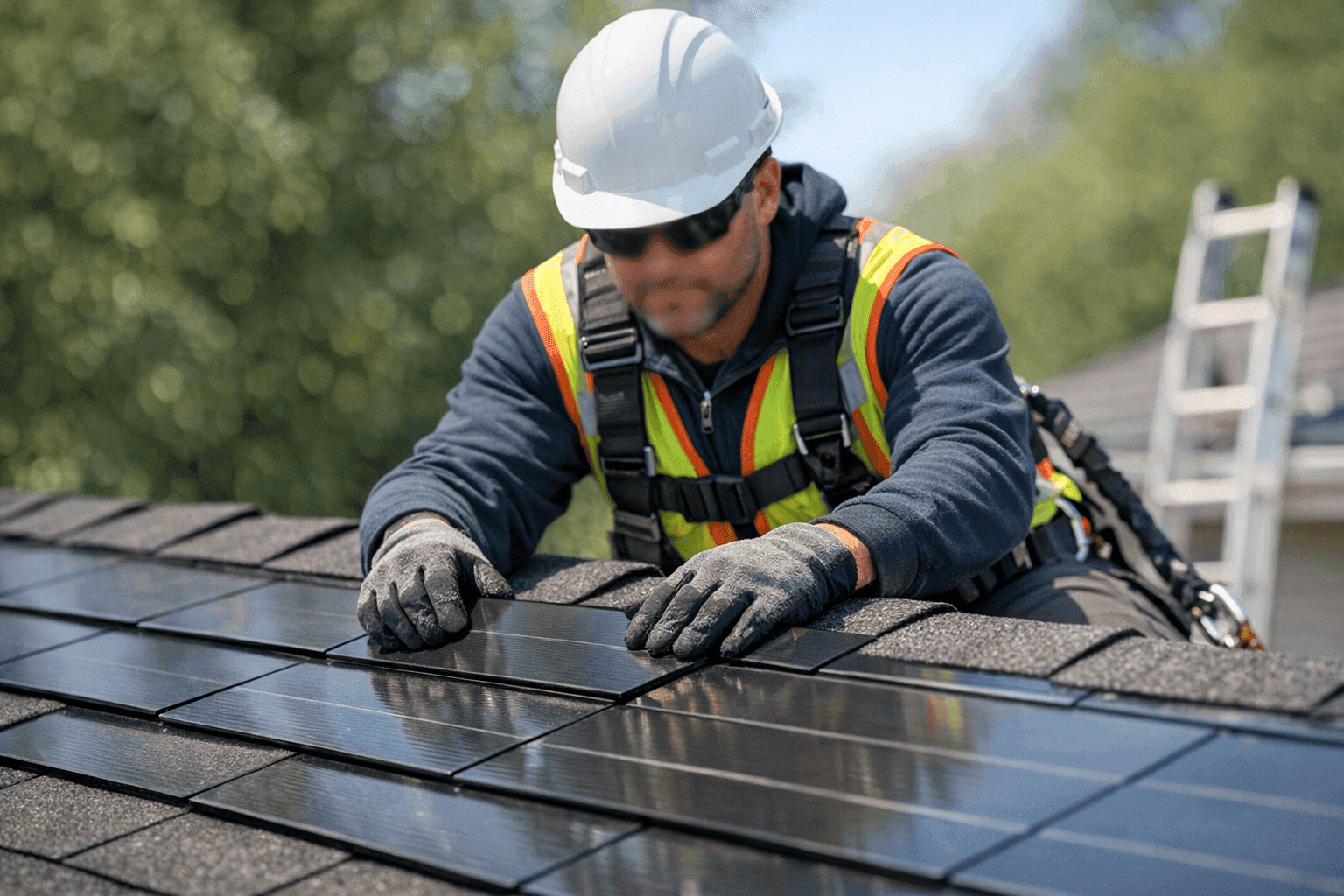
Is your roof just a lid, or is it the engine of your building’s energy efficiency and comfort? In 2026, roofing is more than a barrier—it's smart, sustainable, and built for the future. Every year brings new solutions, and staying ahead means understanding the trends that are changing the way homes and businesses stay safe, dry, and efficient.
At Shindo Trust Roofing, we’ve seen firsthand how new materials and tech can transform a simple upgrade into an investment in comfort, savings, and peace of mind. Whether you’re a homeowner or manage a busy commercial property, the options today are more exciting—and more complex—than ever.
New Materials: The Modern Roofing Revolution
Modern roofing isn’t just about shingles anymore. Builders and owners are turning to advanced products that do more than keep the rain out.
- Solar Shingles: These sleek, low-profile tiles generate electricity while protecting your home. The latest models from manufacturers like Tesla and CertainTeed can produce up to 110% of a typical household’s power needs (according to company data), all while blending in with traditional roof styles. No more bulky panels.
- Cool Roofs: Designed with reflective coatings or light-colored membranes, cool roofs bounce sunlight away, slashing rooftop temperatures. The U.S. Department of Energy notes that cool roofs can lower surface temps by up to 50°F, shrinking HVAC costs and urban heat.
- Metal Roofing: Not just for barns anymore. Today’s metal roofs come in a rainbow of finishes. They last 40–70 years, resist wind and hail, and are often made from recycled materials.
- Advanced Composites: Polymer and rubber-based shingles mimic slate or wood but weigh less and last longer. Think of them as the “hybrid cars” of roofing—less maintenance, more mileage.
- Eco-Friendly Options: Green is in. From recycled shingles to living roofs with native plants, eco-friendly choices are booming. Browse sustainable choices to see what fits your property and your values.
Tech Innovations: Smarter Roofs for Smarter Buildings 🛰️
Roofs are getting brains. Modern technology is turning the humble rooftop into a nerve center for efficiency, safety, and convenience.
- Integrated Solar Systems: Solar is no longer an afterthought. Systems are now woven right into the roof deck, feeding energy directly to your home or business.
- Smart Monitoring: Wireless sensors and cloud-connected devices keep an eye on leaks, ice dams, and humidity. If trouble’s brewing, you’ll know before water stains appear on your ceiling.
- Thermal Imaging: Drones and handheld scanners give roofers X-ray vision—spotting leaks and insulation gaps without tearing anything up.
- Self-Healing Coatings: Inspired by nature (think of how skin heals), some new roof membranes contain microcapsules that patch tiny cracks when triggered by water or sunlight.
- Automated Ventilation: Roof vents now adjust automatically based on temperature and humidity, protecting your attic and lowering cooling bills.
Benefits for Owners: Why Upgrade Your Roof?
A new roof is more than just a patch job. When you choose advanced materials or tech, you unlock real advantages.
- Lower Bills: Cool roofs and solar systems cut energy costs, sometimes by hundreds of dollars a year.
- Longer Lifespan: Modern metal and composite roofs often last two to three times longer than traditional options.
- Peace of Mind: Smart sensors catch leaks before they become disasters.
- Better Comfort: Improved insulation and ventilation mean less draft, fewer hot spots, and a quieter home or business.
- Resale Value: According to the National Association of Realtors, new roofing consistently ranks among the top home improvement projects for return on investment.
Quick Safety Checklist: Before You Upgrade
A high-tech roof is only as good as its installation. Before you leap, pause for a few basics:
- Check for local code requirements (see ICC’s International Building Code for guidance).
- Ask about manufacturer warranties—most require certified installers.
- Ensure your contractor inspects attic ventilation and insulation. Skipping this step could void product warranties or cause hidden damage.
- Don’t overlook the gutters and flashing. Even the best roof fails if water can’t drain.
DIY vs. Call a Pro: Where the Line Is Drawn
Some home projects are weekend jobs. Not this one. Installing solar shingles or smart monitors is a precision task—like tuning a piano, not just banging on keys. Manufacturers like GAF and Owens Corning stress that proper installation is critical for safety, warranty, and performance.
- DIY: Cleaning gutters or patching a tiny shingle? Maybe. Anything more? Call in the pros.
- Professional Installers: They use specialized tools, follow safety codes, and keep up with ever-changing product specs. That means fewer callbacks, more savings, and a roof built to last.
What Pros Do On Arrival: The Real Process
When Shindo Trust Roofing arrives, you’ll notice the difference. Our team starts with a detailed inspection. Not just shingles, but decking, flashings, gutters, and attic airflow. We’ll use drones, moisture meters, and years of field experience to create a clear roadmap. Every material is handled according to manufacturer guidelines—no shortcuts, no guesswork.
Prevention & Maintenance: Making Modern Roofs Last
New materials are tough, but they’re not set-and-forget. Keep your investment strong with a few simple steps:
- Schedule annual inspections.
- Trim nearby trees to prevent debris.
- Clean gutters each season.
- Watch for signs of wear—curling shingles, rust streaks, or missing granules.
Costs & Time Factors: What to Expect
Advanced roofs aren’t cheap, but neither are constant repairs. Here’s a quick breakdown:
- Solar Shingles: Usually 2–3 times the price of asphalt, but eligible for energy tax credits (see IRS guidance).
- Metal Roofs: Higher upfront, but lower lifetime costs thanks to longevity and minimal maintenance.
- Tech Upgrades: Sensors and monitors add a few hundred dollars but can save thousands in early leak detection.
Most installations take 1–5 days, depending on size and weather. Business properties may require longer for permits and inspections.
When It’s an Emergency: Act Fast, Stay Safe
Storm damage, leaks, or sudden failures demand quick action. If you spot water indoors, bubbling paint, or daylight shining through the rafters, don’t wait. Temporary tarps can help, but contact a professional right away. If you’re in the area, local support is available for urgent repairs and fast assessments.
Common Mistakes: Pitfalls to Dodge
Even the best materials fail if installed poorly or neglected. Watch out for:
- Ignoring attic ventilation (leading to mold or ice dams)
- Skipping underlayment
- Mismatched flashing materials
- Poor drainage or gutter installation
Signs of Trouble: Early Warning Indicators
Stay alert for these red flags:
- Missing, cracked, or curling shingles
- Rust or loose flashing near chimneys and skylights
- Sagging spots or visible dips
- Water stains on ceilings or walls
Catching issues early keeps costs low and protects your structure.
Timeline & Disruption: Planning Ahead
Roof replacement or upgrades can be noisy and disruptive. Good contractors will communicate clearly, protect your landscape, and stick to a predictable schedule. Plan for pets, parking, and access—especially for commercial roofs that might affect business hours.
Materials & Equipment: What’s Used Today
Today’s roofing teams arrive with more than ladders and hammers:
- Drones for inspections
- Moisture meters to find hidden leaks
- Specialized tools for ultra-thin solar tiles
- Safety harnesses meeting OSHA standards
These tools aren’t just impressive—they make the job safer and more precise.
Seasonal Considerations: Best Time to Upgrade
Mild weather is ideal for most roofing work. Winter brings ice and safety risks. Summer heat can affect adhesives and curing times. Plan ahead—spring and fall are usually the sweet spots for big projects and preventative maintenance.
FAQ: Your Roofing Questions, Answered
Q: Are solar shingles worth it?
A: If your roof gets plenty of sun and you plan to stay put, yes—especially with available incentives.
Q: How long do cool roofs last?
A: Most cool roof membranes last 20–30 years with proper care, according to the Cool Roof Rating Council.
Q: Will a metal roof make my home noisy?
A: Not if installed with proper decking and insulation. In fact, many owners say new metal roofs are quieter than old asphalt.
Q: Can I mix materials?
A: Yes, but coordination is key. Flashing, gutters, and underlayment must be compatible. Always check with your installer and manufacturer.
Professional Installation: Why It Matters Most 🛠️
No material, no matter how advanced, can outperform a bad install. Certified crews follow strict product specs, use the right fasteners and sealants, and understand the codes that keep your building safe. Manufacturers like CertainTeed, GAF, and Firestone all require pro installation for full warranty coverage—a testament to how important the details are.
Whether you’re thinking about a full roof replacement, solar upgrade, or smart monitoring, let the experts handle the heavy lifting. Your building, your budget, and your peace of mind will thank you.
Call Shindo Trust Roofing now — or reach us anytime at 888-698-1884 .